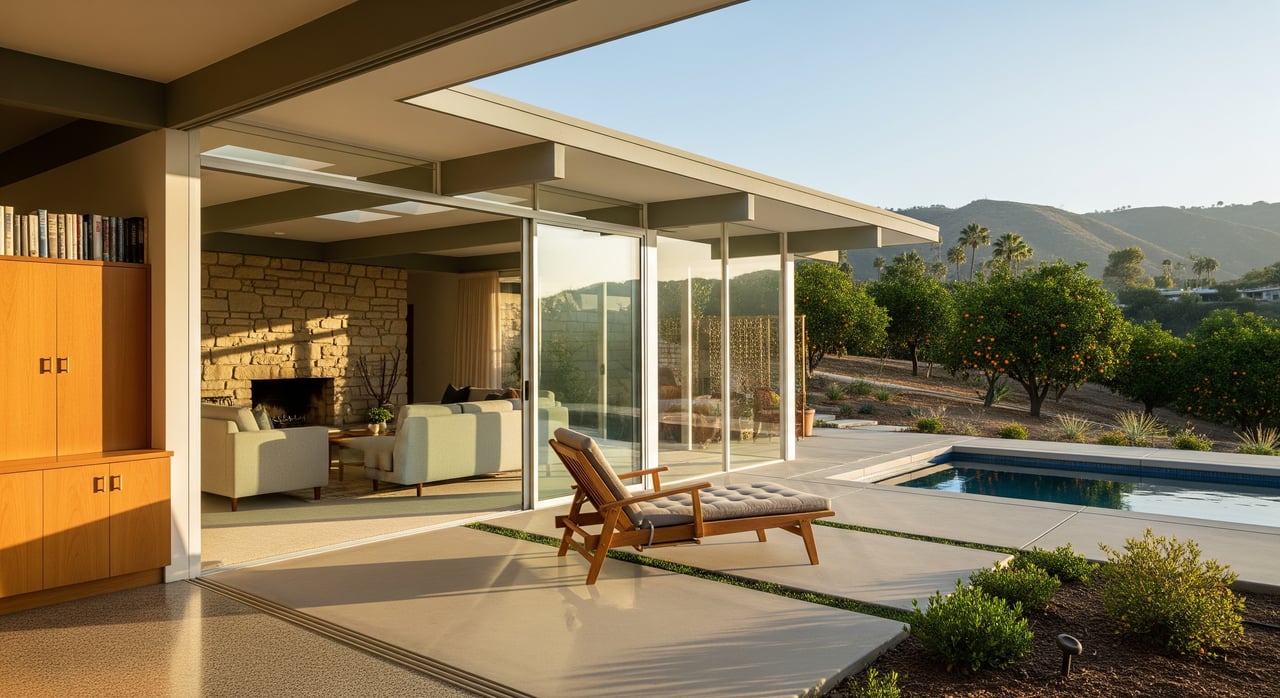
You love the clean lines, indoor-outdoor flow, and effortless cool of mid-century design. In Little Tuscany, you can find the real thing, not a copy. But buying a true Desert Modern home takes a different plan than buying a typical house, from how you evaluate features to how you write your offer.
In this guide, you’ll learn exactly how to buy a mid-century home in Little Tuscany, a Palm Springs neighborhood in Riverside County known for post-war modern architecture. You’ll see what to preserve, what to upgrade, and how to vet systems in our hot, dry climate. Let’s dive in.
Why Little Tuscany for mid-century buyers
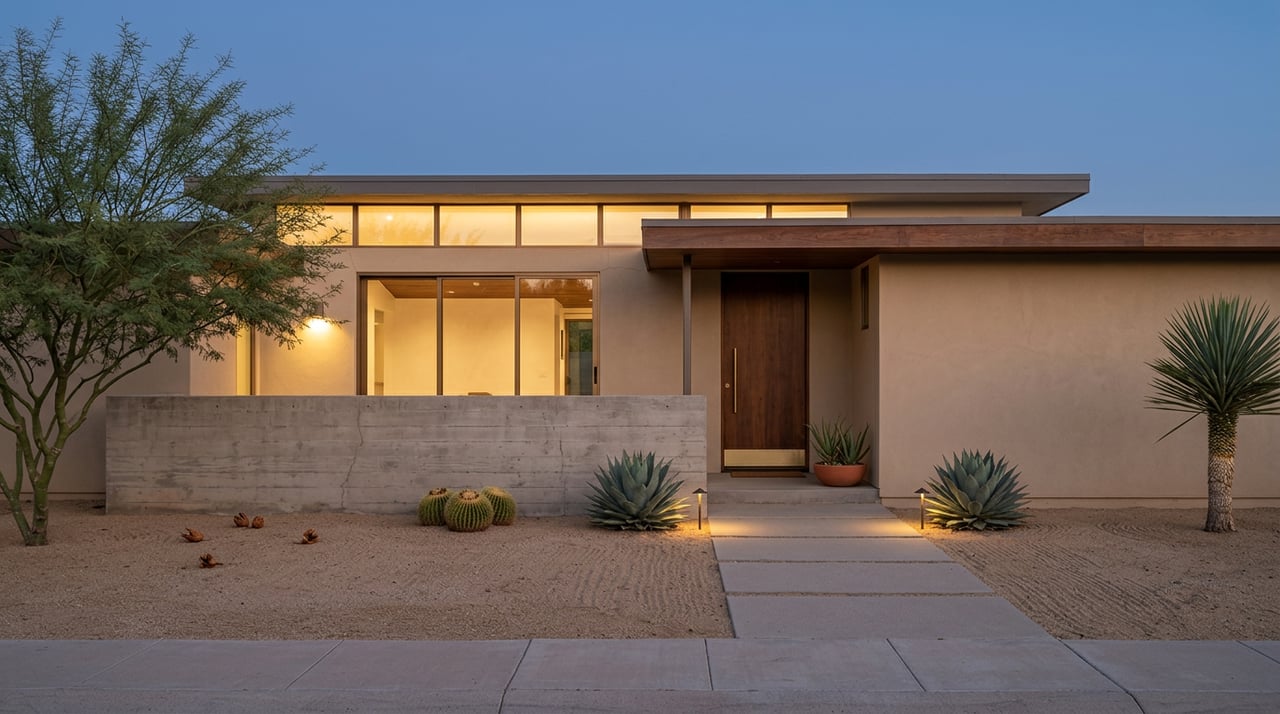
Little Tuscany sits within Palm Springs, a regional hub for mid-century modern architecture and preservation. The neighborhood includes many post-war homes that reflect Desert Modernism, with low rooflines, clerestory windows, breeze block, and strong indoor-outdoor connections.
Demand for authentic or well-restored examples is strong among design-minded buyers. Homes that keep key architectural elements often command premiums. In contrast, heavy-handed “suburbanized” renovations can reduce appeal and value for this niche market.
Palm Springs also offers strong preservation and education resources. You can learn from city planning staff, local preservation organizations, and community events that celebrate mid-century design.
Know the defining features
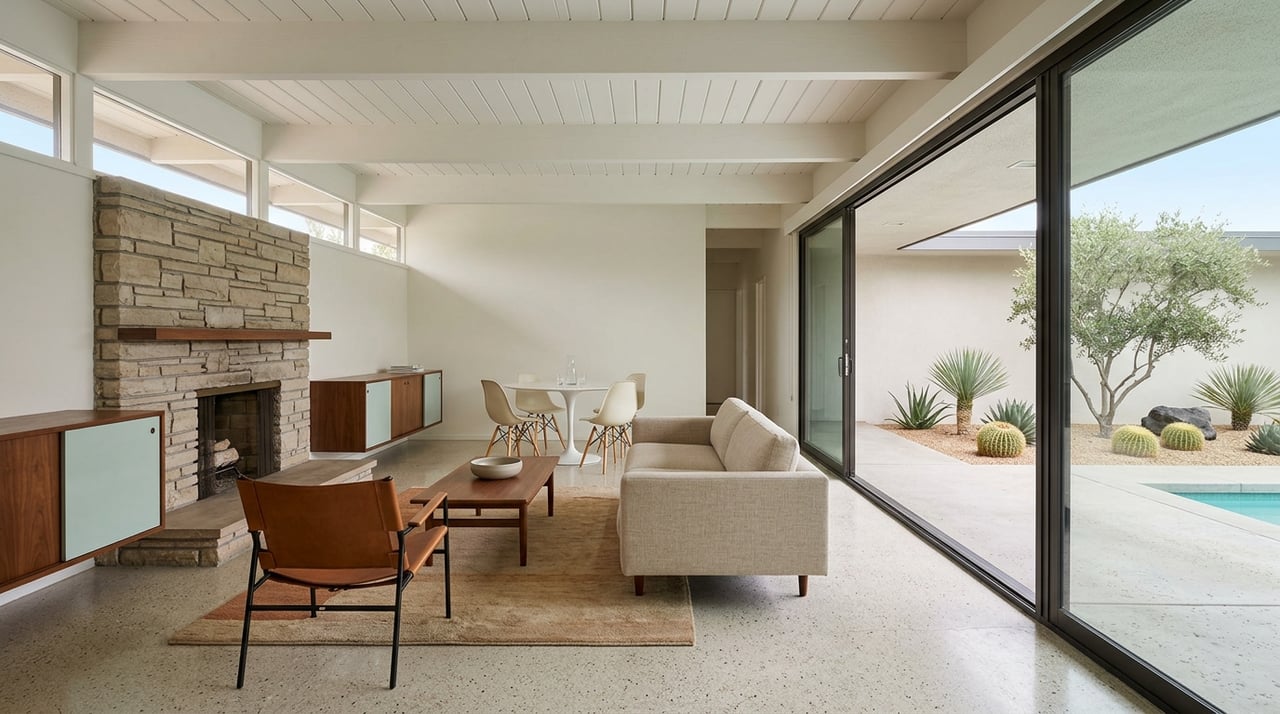
If mid-century character is your goal, focus on these elements that define Palm Springs homes from the 1940s to 1960s:
- Low-sloped or flat roofs with deep overhangs
- Clerestory and ribbon windows that bring in daylight
- Large glass walls with steel or aluminum frames
- Post-and-beam structure and open floor plans
- Breeze block screens and concrete block facades
- Terrazzo, quarry tile, or original concrete floors
- Tongue-and-groove wood ceilings and minimal trim
- Built-in cabinetry and period hardware
- Carports or integrated garages, plus patios and pools
What to preserve for value
Original features often drive desirability and appraisal outcomes in Palm Springs. Try to retain:
- Clerestory windows and large glazing walls that define the indoor-outdoor feel
- Steel or metal-framed windows where restoration is possible
- Breeze block screens and exposed block walls that add texture and privacy
- Interior finishes like terrazzo, wood ceilings, and built-ins
- Carports, integrated planters, and original landscape elements
Removing or covering these items can reduce authenticity and resale appeal among mid-century buyers.
Spot value vs. risk on tours
High-value originals
Look for homes that keep daylighting patterns, glazing configurations, and architectural rhythm intact. Original floors, cabinetry, and decorative block are big wins, even if they need cleaning or repair. Pools and patios designed as part of the original plan also support value.
Red flags to weigh
- Covered clerestory windows or reconfigured glass walls
- Replacement windows that ignore original sightlines
- Heavy pitched roofs added on top of flat roofs
- Stucco applied over detailed blockwork
- Unpermitted additions or landscape changes that altered drainage
These changes can be reversible, but they often come with cost and permitting complexity.
Due diligence checklist for Little Tuscany MCM homes
Use this checklist during inspections and contingencies to avoid costly surprises in Palm Springs’ hot, arid climate.
Structure and envelope
- Roof: Inspect low-slope membranes, flashing, parapets, and ponding. UV exposure is intense here.
- Drainage: Confirm scuppers, gutters, and downspouts move storm runoff away from block walls and slabs.
- Concrete block: Check for hairline and structural cracks, spalling, and signs of rebar corrosion. Consider a structural engineer if you see movement or missing reinforcement.
- Slab and grading: Look for settlement cracks and ensure grading moves water away from the house.
- Termites and pests: Even in the desert, subterranean termites and beetles can appear where moisture touches the structure.
Windows, doors, and glazing
- Steel or aluminum windows: Examine for corrosion, warped frames, failed seals, and operation.
- Clerestory and fixed glazing: Confirm support, flashing, and water-tightness at rooflines.
- Upgrade paths: Consider restoration, weatherstripping, storm panels, or custom thermal replacements that match original sightlines.
Mechanical systems
- HVAC: Many originals were not designed for today’s cooling loads. Evaluate capacity, duct routes, and whether minisplits or a discreet ducted system make sense.
- Insulation: Check roof cavities and walls. Some homes have minimal insulation to keep clean lines.
- Electrical: Verify service size and panel type, and confirm capacity for modern loads and EV charging.
- Plumbing: Identify galvanized or polybutylene pipes, check for leaks, and evaluate the sewer lateral and water heater.
Pools and site systems
- Pool shell and finish: Inspect plaster, tile, coping, and structure.
- Equipment: Evaluate pump, filter, heater, and electrical safety.
- Decks and terraces: Check slabs, finish delamination, and expansion joints.
- Irrigation and drainage: Overwatering can harm foundations and attract pests.
- Landscape features: Review planters, native plantings, and tree roots near slabs.
Moisture, finishes, and indoor air
- UV exposure: Look for sun-related finish failure and wood checking.
- Water intrusion: Check roof edges, glazing perimeters, and where irrigation meets the house.
- Air quality: Consider filtration and ventilation if you tighten the envelope for efficiency.
Renovation strategy that protects value
Energy and HVAC
In Palm Springs, efficient cooling is essential. High-efficiency minisplits or carefully routed ducted systems can improve comfort without harming ceiling profiles. Add insulation where feasible and consider solar strategies that do not compromise character.
Windows and glazing
Restore original steel windows where possible. If not feasible, explore custom replacements that respect sightlines. Interior or exterior storm glazing is a low-impact thermal improvement.
Kitchens and baths
Update plumbing, appliances, and lighting with clean-lined, period-appropriate choices. Keep cabinetry simple and integrated to match mid-century intent.
Site and pool
Maintain original patio layouts and planters when possible. Upgrading pool equipment often improves efficiency and reliability without changing design.
Budgeting for specialist work
Custom window work, pool replastering, and electrical service upgrades are common big-ticket items. Set aside a contingency for specialty restoration like terrazzo polishing or tongue-and-groove ceiling repairs.
Permits and historic considerations in Palm Springs
Before you buy, check with the City of Palm Springs Planning and Historic Preservation staff. Some Little Tuscany homes may be listed or contribute to local historic resources. In those cases, exterior changes can be subject to design review, and incentives like Mills Act contracts may apply if available.
Expect permits for structural changes, re-roofing, window replacements, HVAC and electrical service upgrades, pool work, and major landscape alterations. Always review the property’s permit history and confirm whether prior work was permitted and inspected. Unpermitted alterations can be costly to legalize.
Offer strategy for a mid-century home
You can win an authentic home by pairing a strong offer with smart contingencies instead of waiving them. Include contingencies for a general inspection, engineer review of block and slab conditions, roof and window evaluations, pool inspection, pest inspection, and a permit/title review.
Signal credibility by outlining your intended approach in broad strokes. For example, note that you plan to restore glazing and upgrade HVAC sympathetically. This shows you understand the home and are not likely to pursue changes that contradict its character.
Your Little Tuscany homebuying plan
Use this step-by-step path to move from first tour to closing.
- Define your must-keep features
- Rank items like clerestory windows, steel frames, original floors, built-ins, and breeze block.
- Get prepped with specialists
- Identify an inspector familiar with desert modern homes, a structural engineer for block construction, a flat-roof roofer, a window restoration specialist, an HVAC contractor experienced with minisplits, a licensed electrician and plumber, a pool contractor, a preservation consultant or architect, and a desert landscape designer.
- Tour with a design lens
- Evaluate original daylighting, glazing patterns, and site layout. Note any heavy alterations and ask for permit records.
- Run a realistic cost plan
- Price out window restoration or replacement, HVAC changes, insulation, electrical panel upgrades, pool work, and finish restoration.
- Write a focused offer
- Include targeted contingencies, request permits and disclosures, and note any specialty inspections you plan to complete.
- Protect the character during escrow
- Bring in specialists for quotes and feasibility. Confirm what you can preserve and where upgrades fit without harming the design.
- Plan your first-year improvements
- Sequence work for comfort and protection first: roof, HVAC, electrical capacity, glazing repairs, and drainage. Tackle kitchens and baths once the envelope and systems are stable.
Quick glossary for mid-century tours
- Clerestory windows: Short bands of high windows that bring daylight deep into rooms while protecting privacy.
- Breeze block: Decorative concrete block screens used for shade, airflow, and privacy.
- Post-and-beam: Structure that uses posts and exposed beams to allow open floor plans and large glass walls.
- Ribbon windows: Long stretches of horizontal windows that create continuous bands of glass.
- Carport: Covered parking structure that is open on the sides, often integrated with the home’s design.
The bottom line
Buying a mid-century home in Little Tuscany means balancing preservation and performance. Focus on keeping core design elements, invest in discreet efficiency upgrades, and verify systems that matter in the desert climate. With a thoughtful plan and the right specialists, you can secure an authentic home that lives beautifully today.
Ready to find the right Desert Modern in Little Tuscany and navigate inspections, permits, and design decisions with confidence? Reach out to Luz Solis to start your Palm Springs search with a team that understands mid-century provenance and practical execution.
FAQs
What makes Little Tuscany mid-century homes unique?
- Many homes reflect Desert Modernism with low rooflines, clerestories, breeze block, and strong indoor-outdoor planning that buyers prize in Palm Springs.
How can I improve energy efficiency without losing character?
- Restore original windows when possible, add weatherstripping or storm glazing, use high-efficiency minisplits or discreet ducted systems, and add insulation where feasible.
Which updates add value in Palm Springs mid-century homes?
- Thoughtful restorations that keep glazing patterns, blockwork, built-ins, and period finishes, paired with modernized kitchens, baths, HVAC, and electrical capacity.
What inspections are essential for a Little Tuscany mid-century purchase?
- A general home inspection plus structural review of block and slab, flat-roof evaluation, window and glazing assessment, HVAC and electrical checks, pool inspection, pest inspection, and permit history review.
Are there special permits or historic rules for these homes?
- Palm Springs may require permits for re-roofing, window replacement, HVAC and electrical upgrades, pools, and major landscape work, and listed properties can have design review.
What are the biggest unexpected costs buyers encounter?
- Custom window restoration or replacements, pool replastering, and electrical service upgrades often top the list, with specialty finish restoration as a close second.