Picture your morning coffee with mountain light on the San Jacintos and a fairway rolling out beyond your pool. If you love mid‑century design, desert sun, and an easy golf lifestyle, a home on the fairway in Indian Canyons can feel like it was made for you. Still, course‑side living here comes with unique decisions about orientation, ownership structure, and due diligence. In this guide, you will learn how Indian Canyons works, what to look for in homes, and how to buy with confidence. Let’s dive in.
Why Indian Canyons fairway living
Indian Canyons sits in south Palm Springs at the base of the San Jacinto Mountains. The neighborhood grew around the Indian Canyons Golf Resort’s North and South courses, a resort/public facility with two 18‑hole layouts and a classic desert‑modern setting. You are buying into a community that was planned around fairways and views. Explore current course operations and tee time access through the Indian Canyons Golf Resort.
Residents also connect through the Indian Canyons Neighborhood Organization, a voluntary group that shares neighborhood updates and serves as a liaison with the City and the Tribe. You can learn more about boundaries and community notices on the ICNO site.
Home styles and lot orientation
Mid‑century architecture you can live in
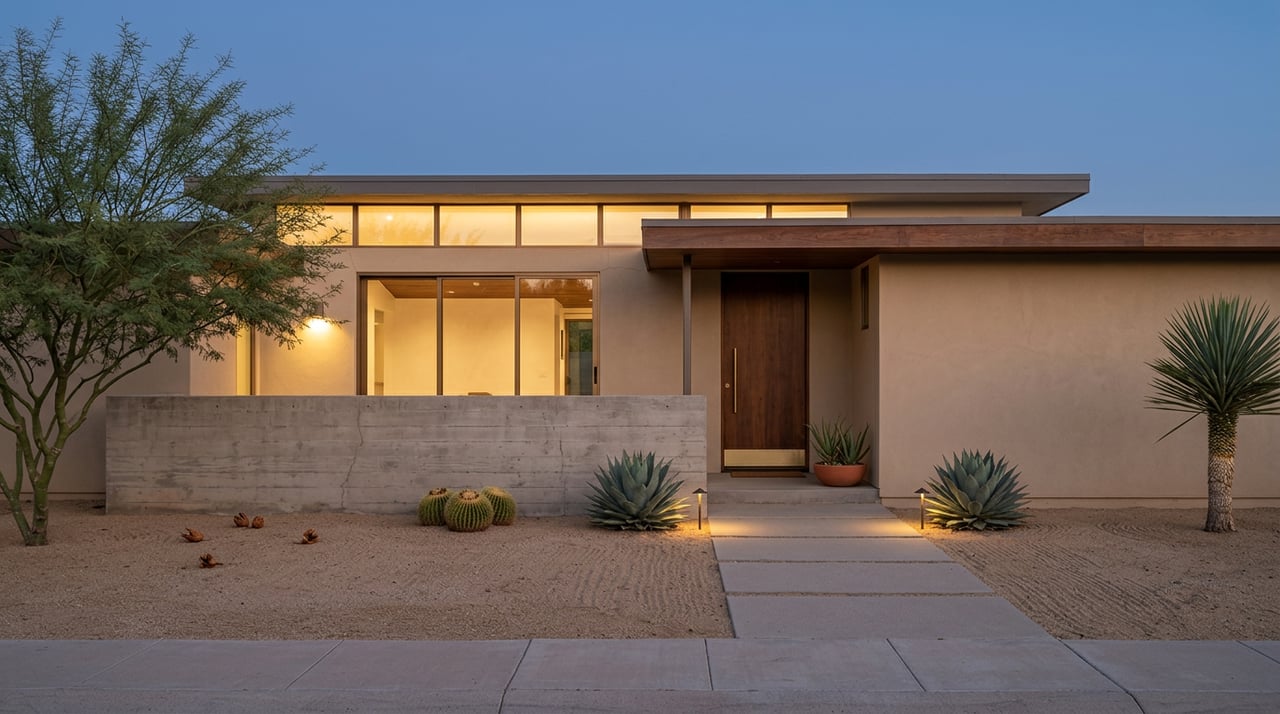
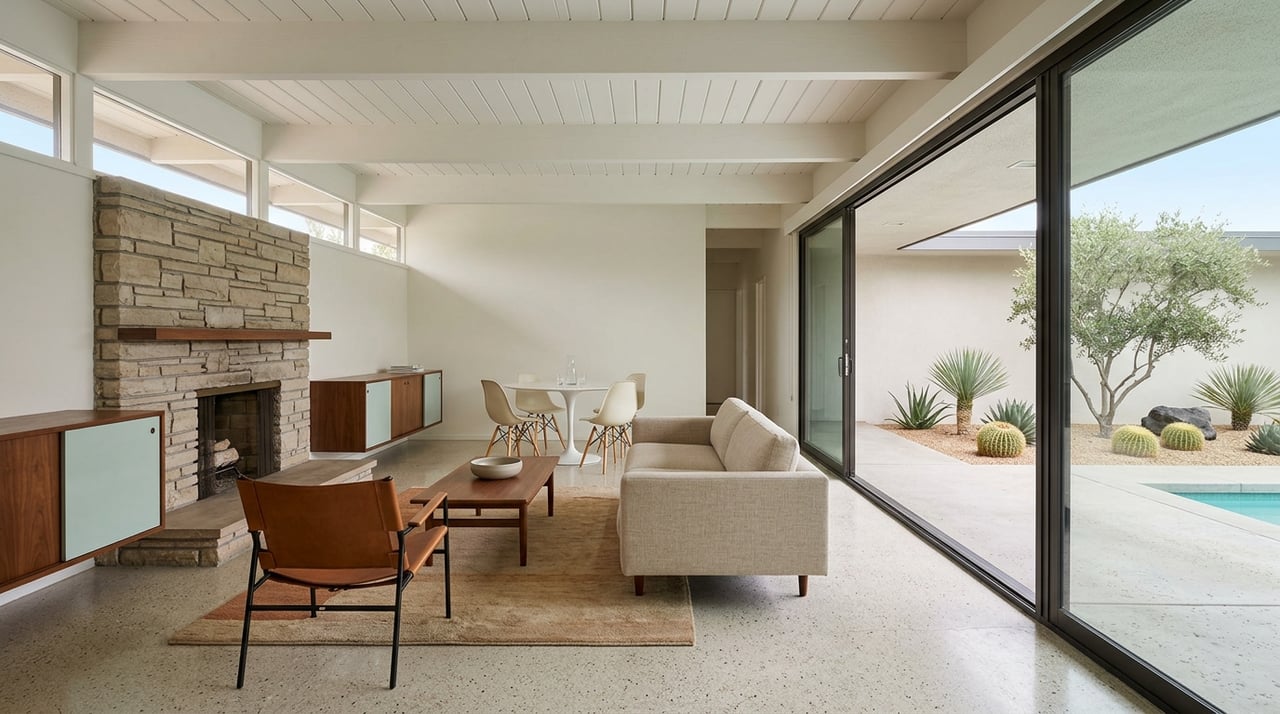
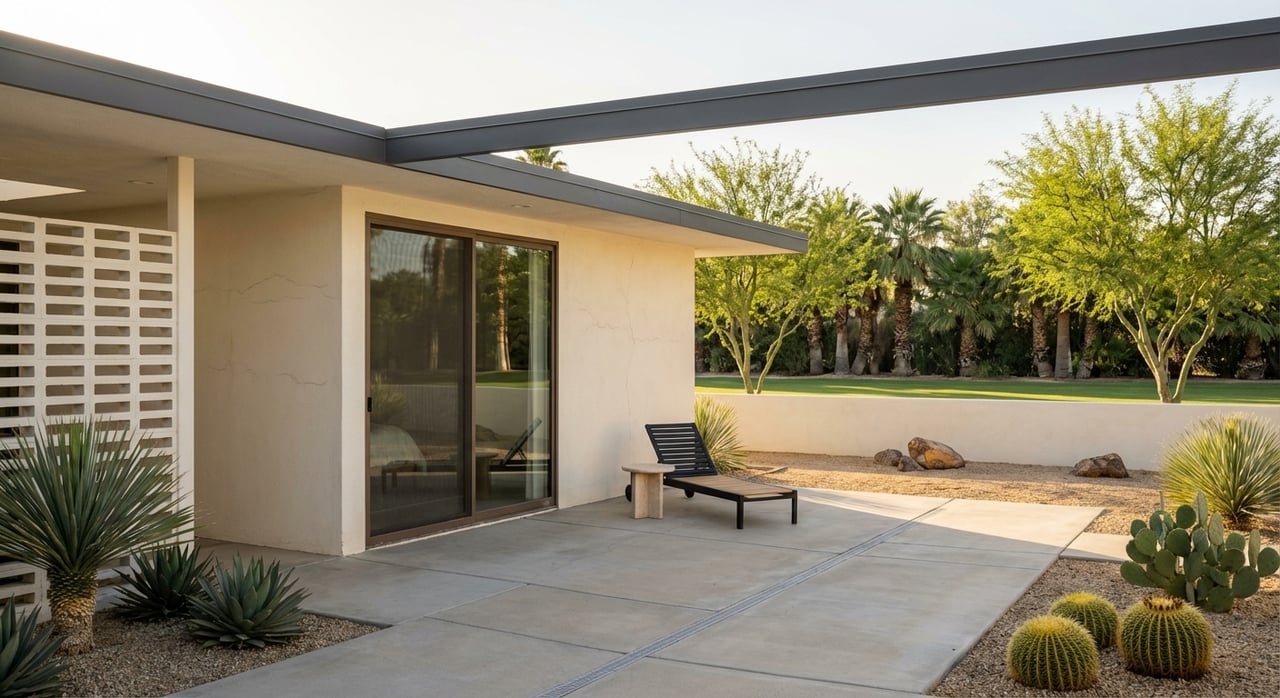
Many Indian Canyons homes were built in the late 1950s through the 1970s. You will see low or butterfly rooflines, post‑and‑beam structure, breezeblock, and big glass sliders that open to private pools. Later custom remodels keep that indoor‑outdoor flow while updating systems and finishes. These features are part of the neighborhood’s identity and shape what to prioritize during inspections.
How a fairway address sits on the land
Fairway addresses vary. Some homes back directly to the course, which delivers wide views and easy visual privacy from the street. Others face the fairway in front, sit on corners, or rest near tees and greens. Lots near landing areas can see more stray shots. Always stand on the lot during typical play hours to feel sound, privacy, and ball exposure.
Sun, shade, and outdoor comfort
Palm Springs light is part of the lifestyle, but sun exposure affects comfort and energy use. Backyards that face south or west tend to be hotter in the afternoon. Original overhangs and shading devices often do real work in these homes. Check how the sun path interacts with pool placement and outdoor living zones, and consider where discreet solar could live without changing the home’s character.
Ownership: fee simple vs lease land
Why land status is the first question
Indian Canyons includes both fee‑simple parcels and homes on long‑term tribal lease land. Many properties are on the Agua Caliente Reservation with recorded land leases. If you are new to Palm Springs, start by confirming whether a parcel is fee or leasehold. Neighborhood buyers often consult the local lease land map overview to understand patterns, then verify parcel status with title and escrow.
How Agua Caliente leaseholds work
Leasing of reservation land follows federal law and Bureau of Indian Affairs processes. Long‑term leases on trust land include recorded terms, escalation clauses, and assignment or approval requirements. For technical guidance on trust‑land leasing in this region, see the BIA’s Palm Springs Agency.
Financing implications of a ground lease
Lenders look closely at the remaining lease term. Many require the lease to extend beyond the mortgage maturity by a set buffer. As leases approach certain thresholds, financing options can narrow. Ask your lender to underwrite the lease terms early in your search to avoid surprises.
Possessory interest tax on leaseholds
On Indian trust or allotted land, lessees may owe a possessory interest tax to the county. California courts have affirmed county taxing authority over these interests. Review the specific parcel’s history with the assessor and read more about the tax framework in this California appellate decision.
HOA, neighborhood, and golf access
Many single‑family homes in Indian Canyons are not in mandatory HOAs, though some enclaves have CC&Rs and assessments. The Indian Canyons Neighborhood Organization is voluntary and functions as a community forum rather than an HOA. For resident communication and events, visit the ICNO overview.
The golf complex operates as a public resort facility. Property ownership does not automatically include club membership or special privileges. If membership or resident benefits matter to you, verify current terms directly with the Indian Canyons Golf Resort.
What to inspect in mid‑century homes
Primary systems to prioritize
Older modern homes are rich in design and deserve targeted inspections. Put these at the top of your list:
- Roof and drainage. Low‑slope, butterfly, and folded roofs need a roofing specialist who understands membranes, scuppers, and flashings. Look for ponding or patchwork.
- Glazing and frames. Original steel or single‑pane windows are part of the look but can be thermally inefficient. Verify condition, replacement history, and retrofit options.
- HVAC and insulation. Many originals have dated or undersized systems. Right‑sized, efficient cooling and duct sealing make a big comfort difference in the desert.
- Electrical capacity. Confirm panel size, grounding, and any older wiring. If you plan for EV charging, solar, or battery storage, verify service capacity.
- Plumbing and slab. Desert‑era slab plumbing can be a failure point. If there is a pool, confirm pump age, shell condition, and replaster history.
- Termite and moisture. Exposed wood elements and planters near walls warrant careful termite and moisture checks.
Permits and historic status
If you are weighing renovations or preservation incentives, review permit history and any local historic designation. Palm Springs has an active Historic Site Preservation Board. See the City’s HSPB page for context and procedures.
Energy and comfort upgrades
Thoughtful upgrades can boost comfort without losing character. Interior storm glazing, discreet solar, and efficient HVAC are common paths. Document prior work and permits and plan improvements around the home’s original proportions and shading.
Fairway‑specific considerations
Easements, access, and screening
Many fairway lots include recorded maintenance easements or course access near property lines. Review the plat, recorded easements, and any course right‑of‑way for irrigation or maintenance. Ask about limitations on fencing, plantings, and privacy screens along the course edge. Expect periodic greenskeeping access and cart traffic along service routes.
Errant balls and window exposure
Homes near tees, landing areas, or greens can see more stray shots. Walk the lot for evidence of past ball impacts and consider protective glazing, strategic plantings, or privacy screens where appropriate. Insurance and risk mitigation are the usual remedies rather than course compensation.
Early‑morning maintenance and irrigation
Course care often happens early in the day. Visit during typical maintenance hours to hear ambient noise and observe irrigation overspray. If a nearby pond or water feature exists, expect slightly higher humidity and occasional activity at that location.
Flood and fire risk near the canyons
Some properties sit near washes or localized floodplains. Confirm FEMA status and recent map changes with the City. Start with the City’s flood insurance information, which can point you to parcel‑level notes and elevation certificates. Canyon foothills can also carry elevated fire‑hazard designations. Review local guidance, including the City’s High Fire Area inspection program information available through One‑PS.
Short‑term rentals, resale, and lending nuance
STR rules in Palm Springs
Vacation rentals in Palm Springs require a registration certificate and must follow density caps by neighborhood, booking limits, and safety inspections. Certificates are owner‑specific and may not transfer. Get full requirements in the City’s municipal code, Chapter 5.25, available on ecode360.
Resale dynamics for fairway homes
Course‑side properties attract a defined buyer pool that values views and golf access, which can influence time on market and pricing. If a home sits on lease land, mortgage availability and buyer appetite can differ from fee‑simple comparables. When you evaluate comps, account for land status and course adjacency.
Loans on trust land and special programs
Some trust‑land purchases can involve HUD Section 184 rules. If you are considering conventional financing, confirm that your lender is experienced with local leaseholds and trust‑land procedures. For context on Section 184, review this overview from Stairway Mortgage and speak with a lender who underwrites in Palm Springs.
Due diligence checklist for Indian Canyons buyers
Use this list to organize your offer prep and inspection period.
Documents to request:
- Recorded deed and any ground lease or memoranda of lease, including amendments and escalation clauses. Confirm fee‑simple vs leasehold status. A neighborhood overview like the lease land map can help you frame questions before title review.
- Full lease package if leasehold, including term, assignment/consent language, and any pending negotiations. Coordinate with title, escrow, and, when relevant, the BIA Palm Springs Agency.
- County assessor records and property tax history, including any possessory interest tax assessment. Read the confirmed tax authority in this California case summary.
- Any HOA CC&Rs or neighborhood rules. The ICNO is voluntary and not an HOA, but it is useful for neighborhood context.
- City permit history for additions, pool work, roofing, and major systems, plus any local historic designation. Start with the City’s HSPB page.
- Vacation Rental Registration Certificate, if applicable, and any enforcement history under Chapter 5.25 of the municipal code.
- Survey or evidence of setbacks and recorded easements along the course edge.
- Flood‑zone or elevation certificate documentation through the City’s flood information page.
Inspections to order:
- General home inspection.
- Roofing specialist for low‑slope or butterfly roofs.
- Pool and spa equipment and shell assessment.
- Electrical capacity and EV‑readiness review.
- Window and glazing evaluation, especially for original steel frames.
- Termite and pest inspection.
- Plumbing and slab leak specialist if there are any signs of past repairs.
- Landscape, drainage, and easement review, especially if a wash or canyon adjacency is nearby.
How we help you buy confidently
Buying on the fairway in Indian Canyons is part market savvy and part architectural stewardship. You deserve guidance that balances aesthetics with the practical details that move a deal to close. Our team specializes in mid‑century and architecturally significant homes across Palm Springs and the valley, with deep experience in leaseholds, course‑side due diligence, and renovation planning. We will help you weigh orientation and privacy, decode land status and financing, and line up the right inspectors so you can move forward with clarity.
Ready to tour fairway homes in Indian Canyons and find a modern that fits your life? Connect with Luz Solis to learn what is coming to market next and to start your search.
FAQs
What does “lease land” mean in Indian Canyons?
- Some homes sit on Agua Caliente tribal land with a long‑term ground lease. You own the home, pay a land lease, and may owe a possessory interest tax. Lenders require sufficient remaining lease term, so verify terms early with title, escrow, and the BIA Palm Springs Agency.
Do Indian Canyons homeowners get automatic golf membership?
- No. The Indian Canyons golf complex operates as a public resort facility, and property ownership does not include automatic membership or special privileges. Confirm current resident benefits or membership options with the course operator.
How can I reduce golf‑ball risk on a fairway lot?
- Evaluate proximity to tees, landing areas, and greens, then consider impact‑resistant glazing, strategic landscaping, or privacy screens. Insurance and mitigation are the usual remedies rather than course compensation.
Are short‑term rentals allowed in Indian Canyons?
- Palm Springs permits vacation rentals with a registration certificate, neighborhood density caps, booking limits, and safety rules. Certificates are owner‑specific and may not transfer, so confirm status and compliance under Chapter 5.25 of the municipal code.
Which inspections matter most for mid‑century homes in this neighborhood?
- Prioritize roofing, glazing, HVAC and insulation, electrical capacity, plumbing and slab leaks, and termite or moisture checks. Add pool equipment and a drainage review if the property sits near a wash or canyon.
Do fairway homes near the canyons face flood or fire restrictions?
- Some parcels are near washes or in high fire areas. Check FEMA status, elevation certificates, and local High Fire Area guidelines with the City of Palm Springs to understand insurance needs and maintenance requirements.