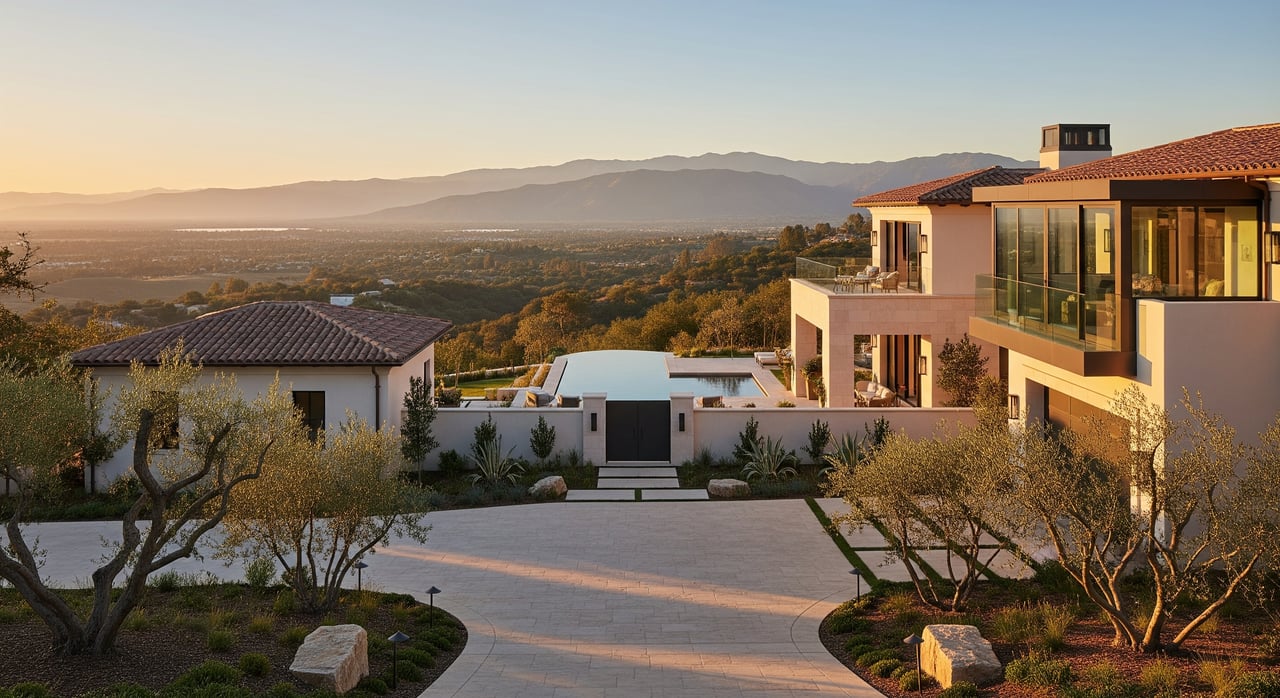
What drives top-dollar results for a hillside home is not luck. In Andreas Hills, the right price reflects your view corridors, architecture, renovation quality, and timing. If you want a smooth sale and strong offers, you need a plan that translates those factors into a data-backed list price. This guide shows you how to do it with confidence. Let’s dive in.
What sets price in Andreas Hills
Pricing in Andreas Hills happens at a micro-market level. Street, elevation, and view orientation can move value more than citywide averages. Two homes a block apart can see meaningfully different buyer responses based on view depth, design pedigree, lot privacy, and recent system upgrades.
To build a price that sticks, anchor your approach in four variables: view corridors, architectural pedigree, renovation quality, and seasonality. Each one changes how buyers perceive risk and desirability, which affects days on market and sale-to-list outcomes.
View corridors
Buyers pay for views they can feel from main living areas. Panoramic valley or city-lights vistas tend to command premiums over limited canyon or treetop outlooks. West-facing sunset exposure, higher elevation above the street, and unbroken view depth add desirability.
- What to document: Photos from multiple rooms and times of day, plus a few from outside to show elevation. Include a simple map or aerial image that clarifies the sightline.
- Legal checks: Ask your title resource about any recorded view easements, setbacks, or nearby parcels with development potential. Confirm what is permanent versus what could change.
- Pricing impact: Use sold comps with similar view types to defend any premium. Buyers value views that are difficult to replicate.
Architectural pedigree
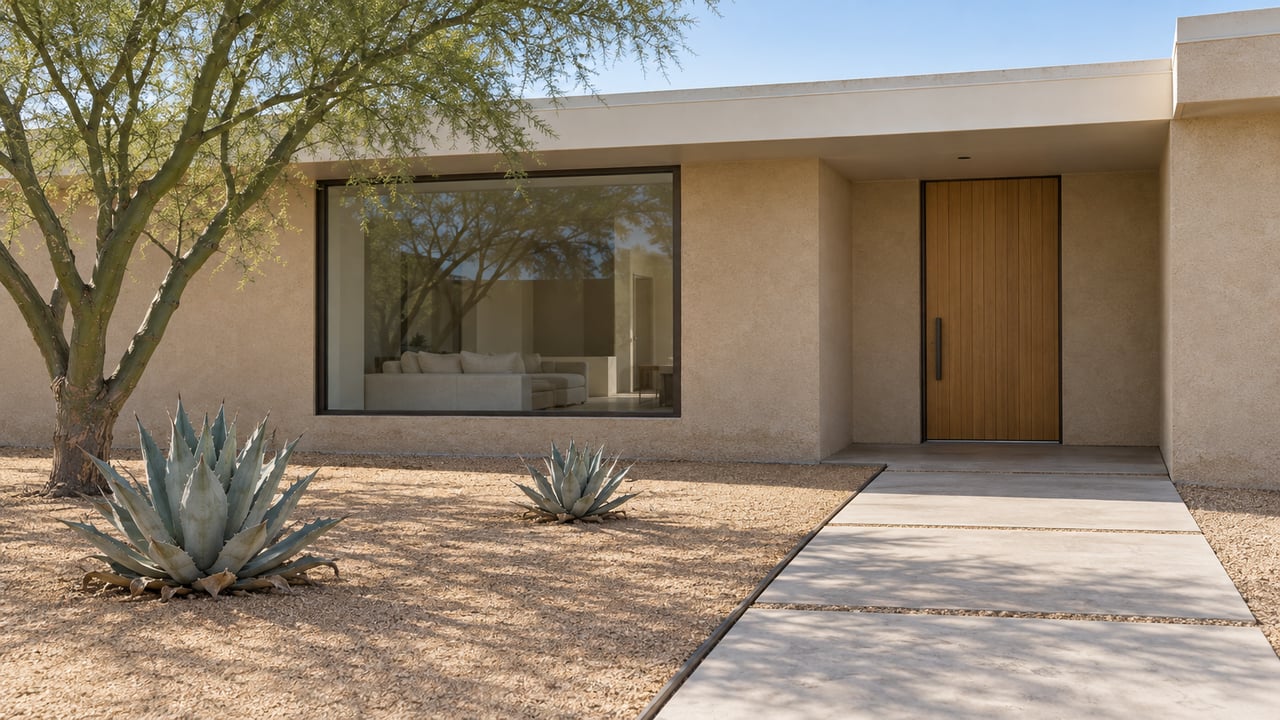
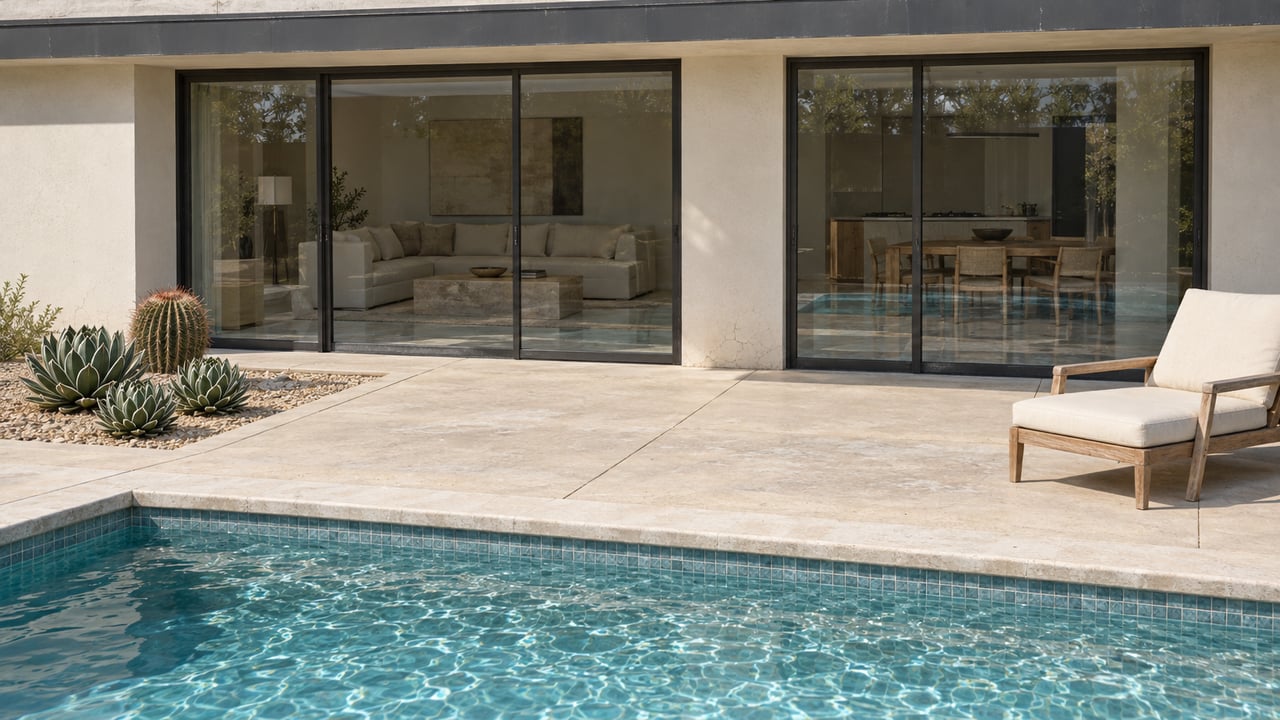
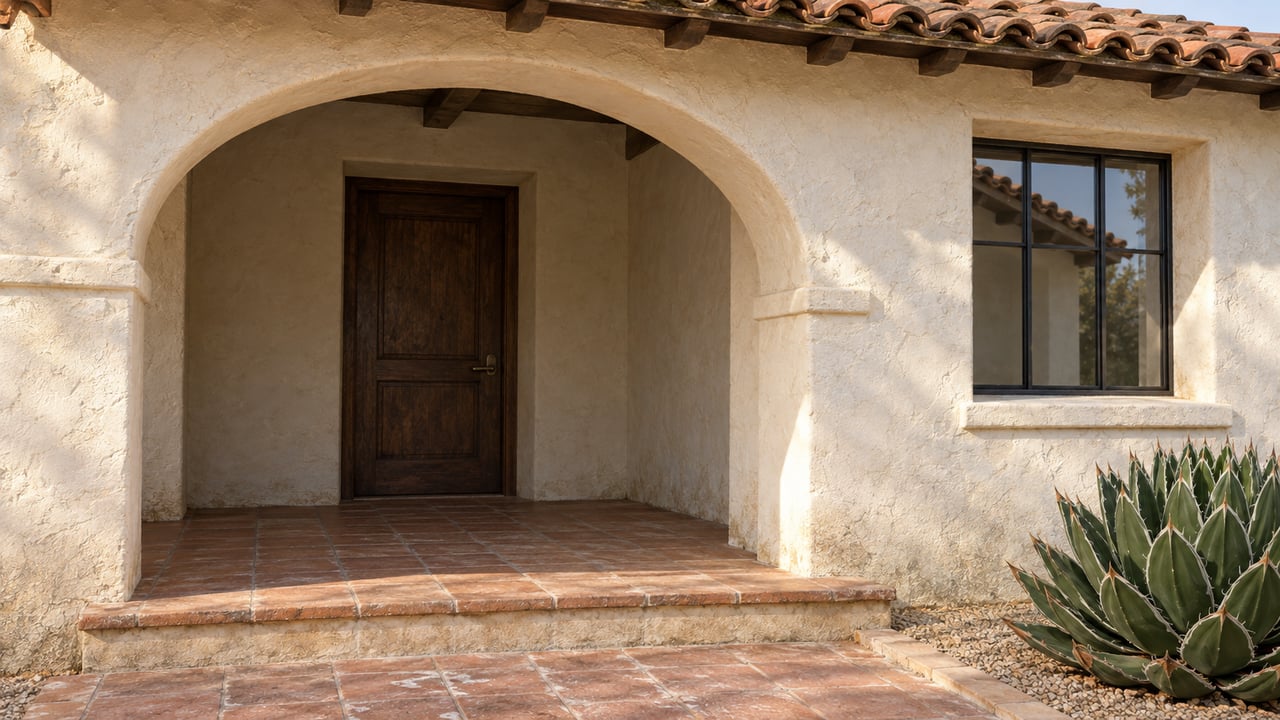
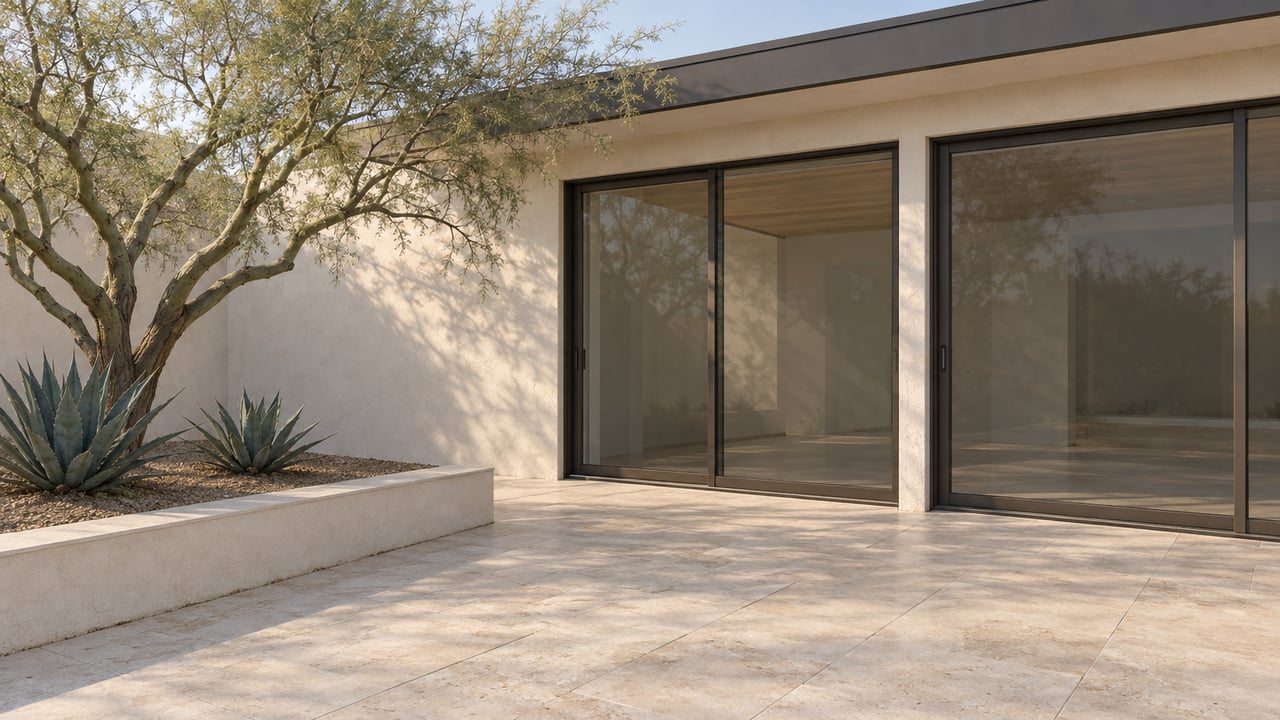
Architecture sets your story and your buyer pool. Custom, architect-designed homes and well-preserved styles like mid-century modern or Spanish revival can draw design-focused buyers. Integrity of the original design, a recognized architect or builder, and documented provenance support stronger pricing.
- What to verify: Building permits, year built, plans, historical references, and credible third-party opinions. Save old brochures or listing archives if available.
- Presentation matters: Include a short provenance brief in your disclosures and marketing. Clear proof helps justify value and attracts the right buyers.
Renovation quality
Buyers reward work that reduces risk and the need for near-term capital. Cosmetic refreshes help photos, yet they may not return full cost. Properly permitted systems and structural improvements can carry more weight.
- Systems that move value: Electrical, plumbing, HVAC, roofing. On slopes, foundation or hillside stabilization is critical.
- Proof to collect: Permits, contractor warranties, product specs, itemized invoices, and an independent inspection report.
- How to present: Use before-and-after visuals and include documentation in your package. This supports a higher list price and fewer concessions.
Seasonality
Spring and early summer usually bring more buyers and shorter days on market, even in Southern California’s mild climate. Late fall and winter tend to be slower. School calendars, tax timing, and local economic news can shift the best window.
- Tactic: If you are targeting a premium price, consider listing into higher-traffic months. If timing is critical, use current inventory levels and days-on-market data to guide strategy.
A step-by-step pricing framework
Follow this process to translate your home’s attributes into a clear pricing plan.
Step 1: Pre-listing diagnostic
- Pull 6 to 12 months of closed comps in your immediate micro-market and 3 to 6 months of active and pending listings.
- Verify permits, tax records, lot lines, and any easements or CC&Rs relevant to views or access.
- Order a pre-listing inspection. In hillside areas, pay close attention to structural and drainage findings.
- Capture standardized photos that prove what buyers value: angles of the view, key architectural details, and recent improvements.
Step 2: Feature scoring
Create a simple checklist and score the big drivers:
- View: none, partial, or primary panoramic.
- Architecture: tract, high-end production, or custom-notable.
- Renovation: cosmetic, mid-range, or high-end permitted.
- Lot and privacy: standard, above-average, or exceptional.
Use these tiers as Low, Medium, or High impact guides. This keeps adjustments realistic and grounded in comps rather than guesswork.
Step 3: Select comps and adjust
Start with 3 to 5 best-match closed sales that mirror your size, bed and bath count, lot characteristics, and location. For each comp, note where your home is better or different.
- Examples: If a comp lacks a view and yours has a panoramic outlook, plan for a premium. If a comp has a brand-new roof and HVAC while yours is mid-life, plan a downward adjustment or consider completing the upgrade.
- Buyer perception lens: Views and new systems reduce buyer hesitation. Architectural pedigree can draw a niche audience, which may lengthen time on market unless priced to that audience.
Step 4: Build pricing scenarios
Create three paths so you can choose based on your goals.
- Aggressive: Priced to stimulate multiple offers and faster days on market. Requires strong launch marketing and careful showing management.
- Market-match: Mirrors recent sales with similar features and reflects typical DOM. Designed for a steady sale at fair value.
- Aspirational or premium: Tests the upper band for standout views or design pedigree. Plan for targeted outreach to design-minded buyers and be ready to monitor traffic closely.
Each scenario should include an expected days-on-market range, a likely buyer profile, and a marketing approach that fits the price.
Step 5: Governance and adjustment triggers
Define the checkpoints to reassess price based on local DOM norms.
- If showings are strong and feedback is positive, hold the line.
- If traffic is light and declining by day 14, 21, or 30, consider a staged price adjustment. Tie moves to actual market responses and your timing needs.
How to prepare your evidence
You will price more accurately and negotiate with confidence when your documentation is complete.
- MLS comps: Closed and active within your micro-market and size band.
- Permit and tax records: City permits, assessor data, and any CC&Rs or easements.
- Inspection and estimates: Pre-listing report plus written contractor bids for recommended repairs.
- View proof: Photos from main living areas at different times of day, plus simple maps or aerials.
- Architecture file: Architect or builder name, year built, notable features, and any historical references.
Timing your Andreas Hills listing
Spring and early summer often deliver higher buyer activity and shorter DOM. Late fall and winter can work, especially when inventory is tight, yet you may trade speed or price depending on your goals. If you plan major system upgrades, consider finishing before listing so buyers can see and trust the work.
- If you want competition: Begin prep early and target peak showing windows.
- If you want speed: Price toward the aggressive scenario and launch with complete documentation to reduce objections.
What to expect from a complimentary consult
Sellers can request a complimentary pricing consult and property value analysis with Luz Solis. The consult focuses on Andreas Hills specifics and includes:
- Market snapshot: 3 to 5 local comps, active inventory, and DOM trends.
- Property analysis: View evaluation, architectural pedigree summary, renovation verification, and a prioritized repair list.
- Price range: A recommended list-price range with rationale for aggressive versus market-match approaches.
- Action plan: Marketing recommendations, staging priorities, and a 30 and 60-day price adjustment protocol.
To make the consult productive, gather current photos, permit records, any recent inspection reports, and documents that confirm architect or builder provenance.
Risks, disclosures, and quality checks
- Do not assume results. Tie expectations to local comps, condition, and buyer traffic.
- Verify all claims with documents. Unsupported statements about design or view protections can erode trust.
- In California, complete required disclosures, including the Transfer Disclosure Statement and Natural Hazard Disclosure. If you have questions about easements, consult title resources or legal counsel.
- On slopes, consider a pre-list inspection focused on structure, grading, and drainage. This can prevent surprises during escrow and support your price.
Ready to price with confidence?
If you want a clear, data-backed path to market, request your complimentary pricing consult and property value analysis. Connect with Luz Solis for a tailored Andreas Hills strategy that reflects your view, design, and upgrades.
FAQs
How much is my Andreas Hills view worth?
- It depends on view type, permanence, and buyer demand. Use comps with similar views plus photos and title checks to support any premium.
Will an architect-designed home sell faster in Andreas Hills?
- It can attract a narrower, design-focused buyer pool. Expect strong interest if priced to that audience, yet time on market may extend if priced too broadly.
Which renovations return the most before listing?
- Properly permitted systems like roof, HVAC, electrical, and plumbing reduce buyer risk and support price. Cosmetic-only updates help presentation but have lower typical return.
Should I disclose view easements or possible encroachments?
- Yes. Sellers must disclose known material facts and encumbrances. In California, complete required disclosures and consult title or legal resources for specific questions.
When should I accept a below-list offer in Andreas Hills?
- Decide based on your net proceeds, timeline, and current activity. If inventory is tight and comps move quickly, holding may pay off. If timing is urgent, weigh that against concessions.