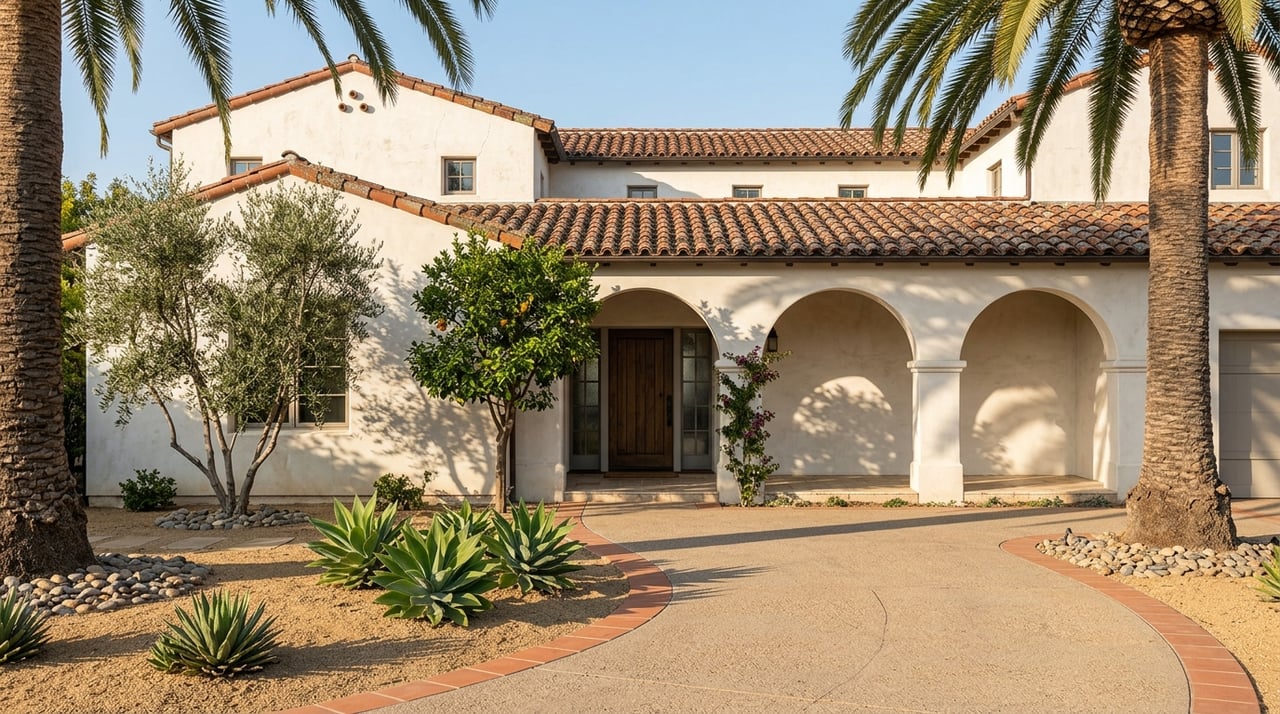
Curious why Old Las Palmas feels so visually rich even when the homes do not all look the same? That is part of the neighborhood’s appeal. If you are drawn to architecture, history, and the Palm Springs setting, understanding the styles that shape Old Las Palmas can help you read the area with a sharper eye. Let’s dive in.
Old Las Palmas Has a Layered Identity
Old Las Palmas is Palm Springs’ first and oldest neighborhood, with roots dating to the mid-1920s. It began on land that had once been a citrus grove, and its early development is tied to builder Alvah Hicks and his son Harold.
Just as important as the homes themselves is the way the neighborhood was planned. Its curving street pattern was inspired by Frederick Law Olmsted, which helps explain why Old Las Palmas feels more like an established estate district than a typical subdivision.
The setting adds another key layer. Old Las Palmas sits within walking distance of downtown Palm Springs, while Dry Falls canyon and the Santa Rosa and San Jacinto Mountains create a dramatic backdrop that shapes how the neighborhood is experienced.
Spanish Colonial Revival Sets the Early Tone
If you walk or drive through Old Las Palmas, the earliest architectural language you are most likely to notice is Spanish Colonial Revival. In Palm Springs, this style often appeared in simplified form during the 1920s and 1930s.
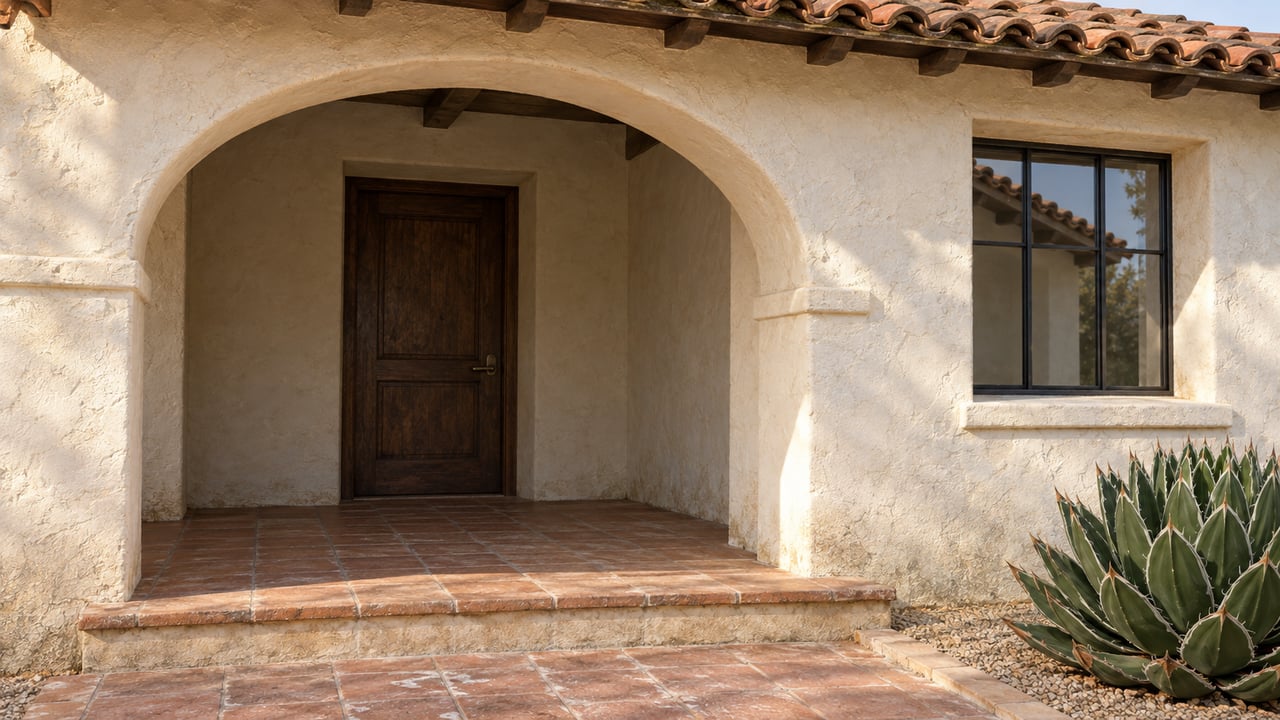
These homes were usually informal one- and two-story residences with plaster walls, low-pitched tile roofs, and wood or steel windows. Ornament was often restrained, which gave the homes a relaxed look that suited the desert setting.
In Old Las Palmas, this style helps establish the neighborhood’s historic character. You may notice homes that feel grounded, private, and inward-looking, with walls, garden spaces, and sheltered entries doing as much visual work as the front facade.
Mission Influence in Older Estates
Some homes in the neighborhood lean toward a Mission-influenced look. A documented 1942 Mission-style home in Old Las Palmas is noted for low-slung arches and stuccoed massing, which gives you a good sense of how this influence can appear in the area.
If you are trying to spot these details, look for soft arch shapes, thick-looking walls, and a simple, sculpted form. In Old Las Palmas, these homes often feel timeless rather than ornate.
Ranch Homes Expand the Neighborhood Story
Old Las Palmas did not stop evolving after its earliest building period. Ranch and Modern Ranch homes became part of the neighborhood’s next chapter, especially in the Las Palmas Estates tract.
In Palm Springs, Ranch homes are defined by one-story massing, low horizontal lines, wide facades, open eaves, and attached garages. They also reflect a more casual indoor-outdoor lifestyle, which fits naturally with the desert climate.
The city survey notes prewar Ranch examples in Las Palmas Estates, including homes built in 1936. That matters because it shows Ranch architecture was not just a later add-on. It became part of the neighborhood’s character earlier than many buyers might expect.
What Ranch Looks Like in Old Las Palmas
In practical terms, Ranch homes in Old Las Palmas often read as broad and low to the ground. They usually emphasize width over height and create a quieter streetscape presence than more vertical revival homes.
For a design-minded buyer, these homes can feel like a bridge between early estate architecture and later modernism. They keep a sense of privacy and lot presence while moving toward simpler lines and easier indoor-outdoor living.
Mid-Century Modern Brings Desert Clarity
Postwar modernism is the other major style that helps define Old Las Palmas. This is where the neighborhood’s architectural mix becomes especially compelling.
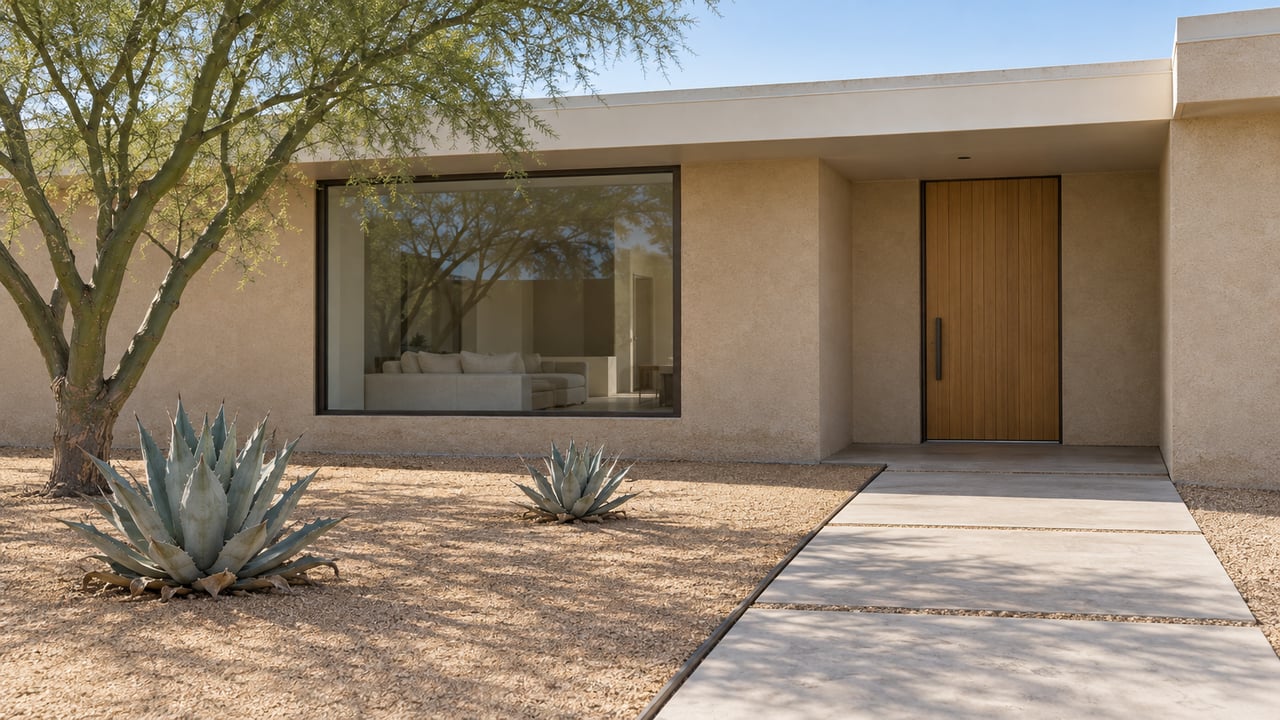
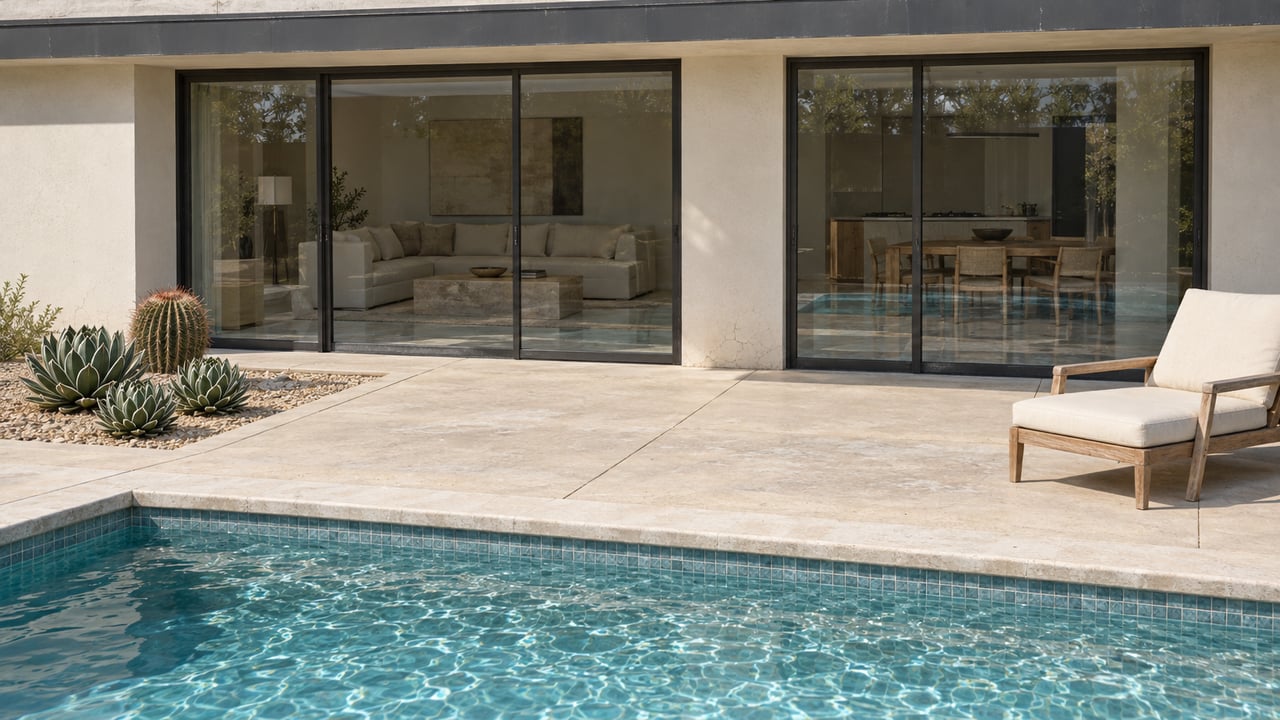
The city survey describes Mid-century Modern in Palm Springs as post-World War II modern design adapted to the desert. Common features include post-and-beam construction, large expanses of glass, open plans, and screens designed to temper the sun.
The Old Las Palmas neighborhood profile points to a 1957 mid-century modern home, confirming that the area continued to evolve well beyond its 1920s and 1930s origins. That layered timeline is one reason the neighborhood feels collected rather than repetitive.
Palm Springs Modern in Context
In Old Las Palmas, mid-century modern homes do not erase the older architecture around them. Instead, they add contrast.
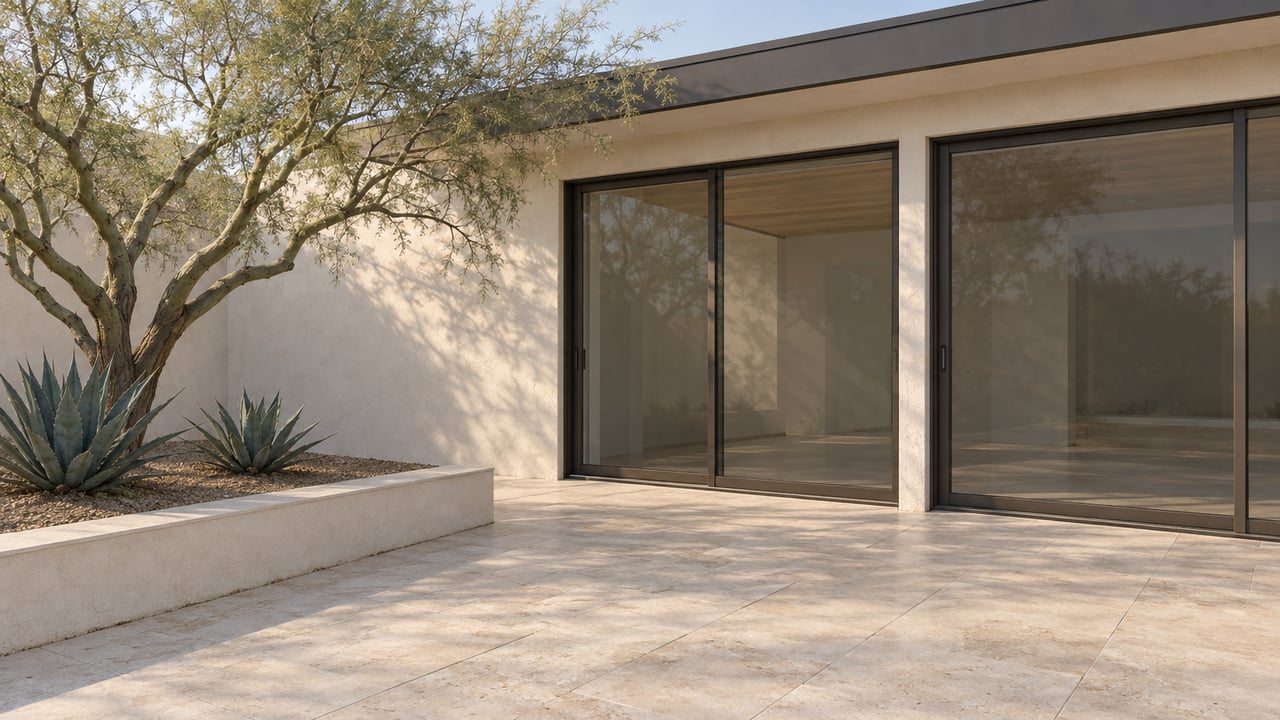
You may see flatter lines, more glass, and a stronger connection between interior rooms and outdoor space. When done well, these homes respond to the same desert conditions as the earlier houses, just with a different design vocabulary.
Mediterranean Revival Plays a Smaller Role
You may also notice a few homes that feel more formal or more ornamented than the neighborhood’s simpler Spanish houses. In some cases, that reflects Mediterranean Revival influence.
City survey work identifies Mediterranean Revival as part of Palm Springs’ broader period-revival architecture, but it is relatively uncommon compared with the simpler Spanish Colonial Revival forms. In Old Las Palmas, it is best understood as a secondary influence rather than the neighborhood’s main identity.
That distinction matters if you are trying to understand the area accurately. Old Las Palmas is not defined by one strict style. It is defined by a dominant early language, followed by thoughtful architectural evolution.
Landscaping Is Part of the Architecture
One of the most important things to understand about Old Las Palmas is that the landscape is not just decoration. It is part of the neighborhood’s design DNA.
Palm Springs planning documents note that older neighborhoods like Las Palmas are distinguished by physical layout, landscaping, walls, and architectural styles. In other words, the full experience comes from how house, lot, planting, and privacy elements work together.
The neighborhood profile also notes naturally landscaped lots devoted to desert conservation. That reinforces the idea that what happens outside the house is every bit as important as what happens under the roofline.
What to Notice Outside the House
If you are touring Old Las Palmas, pay attention to more than facades. Look at how homes sit behind walls or landscaping, how much of the lot is devoted to garden or court space, and how plantings shape privacy and views.
The neighborhood organization has also supported median landscaping and beautification work. That helps maintain the sense that Old Las Palmas is a complete visual environment, not just a collection of individual properties.
Mountain Views Shape the Experience
The mountain setting is another reason Old Las Palmas feels so distinctive. The neighborhood is framed by the Santa Rosa and San Jacinto Mountains, along with Dry Falls canyon.
Palm Springs planning guidance for mountain-base neighborhoods highlights topography, striking views, and access to nearby natural features as defining traits. In Old Las Palmas, that means architecture is always in conversation with the landscape around it.
For you as a buyer or seller, this is a useful lens. A home here is not only about style labels like Spanish Colonial or Mid-century Modern. It is also about how the structure relates to sky, mountain backdrop, walls, gardens, and view corridors.
How to Read an Old Las Palmas Home
If you want a quick way to evaluate architectural character in Old Las Palmas, focus on a few visual cues:
- Roof pitch: Lower-pitched tile roofs often point toward Spanish Colonial or Mission influence.
- Wall material and massing: Plaster or stucco walls with sculpted forms often signal early revival styles.
- Amount of glass: Larger expanses of glass often suggest later mid-century modern design.
- Horizontal lines: Broad, low forms typically connect to Ranch or Modern Ranch architecture.
- Lot planning: Garden courts, privacy walls, and landscaped setbacks are central to the neighborhood’s identity.
These details can help you understand not just what style a home reflects, but how well it fits the broader Old Las Palmas streetscape.
Why This Mix Matters for Buyers and Sellers
Old Las Palmas stands out because it offers a broad architectural range within a coherent setting. You get early Spanish Colonial Revival and Mission-inflected homes, Ranch and Modern Ranch houses, and later mid-century modern properties, all tied together by estate-style planning, landscaping, and mountain views.
For buyers, that means you can narrow your search by design language without losing the larger neighborhood character that makes the area special. For sellers, it means architectural details, setting, and presentation all play a major role in how a property is understood and marketed.
In a neighborhood like this, square footage only tells part of the story. Design pedigree, site planning, and visual context matter too.
If you are exploring Old Las Palmas and want help understanding how a home’s architecture, setting, and market position fit together, Luz Solis can help you navigate Palm Springs with a design-minded, local perspective.
FAQs
What architectural styles define Old Las Palmas in Palm Springs?
- Old Las Palmas is best known for Spanish Colonial Revival and Mission-influenced homes, along with Ranch, Modern Ranch, and Mid-century Modern architecture.
What makes Spanish Colonial Revival homes in Old Las Palmas recognizable?
- In Old Las Palmas, Spanish Colonial Revival homes often feature plaster walls, low-pitched tile roofs, wood or steel windows, and simple detailing.
Are there mid-century modern homes in Old Las Palmas?
- Yes. The neighborhood includes later mid-century modern homes, including examples from the 1950s, with features like large glass areas, open plans, and desert-adapted design.
Why does landscaping matter so much in Old Las Palmas?
- Landscaping matters because the neighborhood’s character is shaped by walls, planting, lot design, and the relationship between homes and outdoor space, not just by architectural style alone.
How can you identify a Ranch home in Old Las Palmas?
- Ranch homes in Old Las Palmas typically have one-story massing, low horizontal lines, wide facades, open eaves, and a strong connection to indoor-outdoor living.
What makes Old Las Palmas feel different from other neighborhoods in Palm Springs?
- Old Las Palmas combines early estate-style planning, a layered mix of architectural styles, curated landscaping, and mountain views within walking distance of downtown Palm Springs.