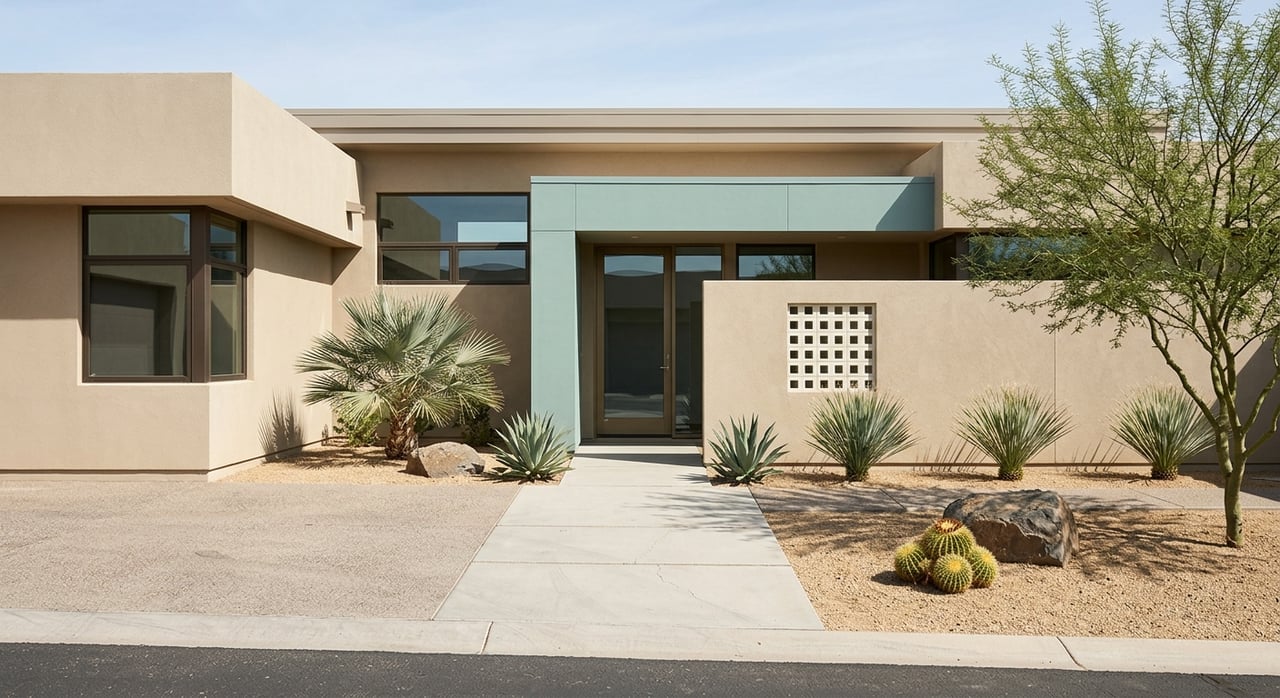
Are you dreaming about a Palm Springs getaway that feels more collected than cookie-cutter? In Little Tuscany, buying a vacation home is about more than finding a place with a pool. You are choosing a setting shaped by architecture, hillside views, and a very specific neighborhood character. If you are planning a purchase here, it helps to understand what makes this area different and what details can affect your long-term enjoyment and ownership costs. Let’s dive in.
Why Little Tuscany Stands Out
Little Tuscany sits on the north end of Palm Springs and has a distinct origin story. City historic materials trace the neighborhood back to a 1936 subdivision created in a rocky wash, with the name inspired by land that reminded developer Harold J. Hicks of the Tuscan hills of Italy.
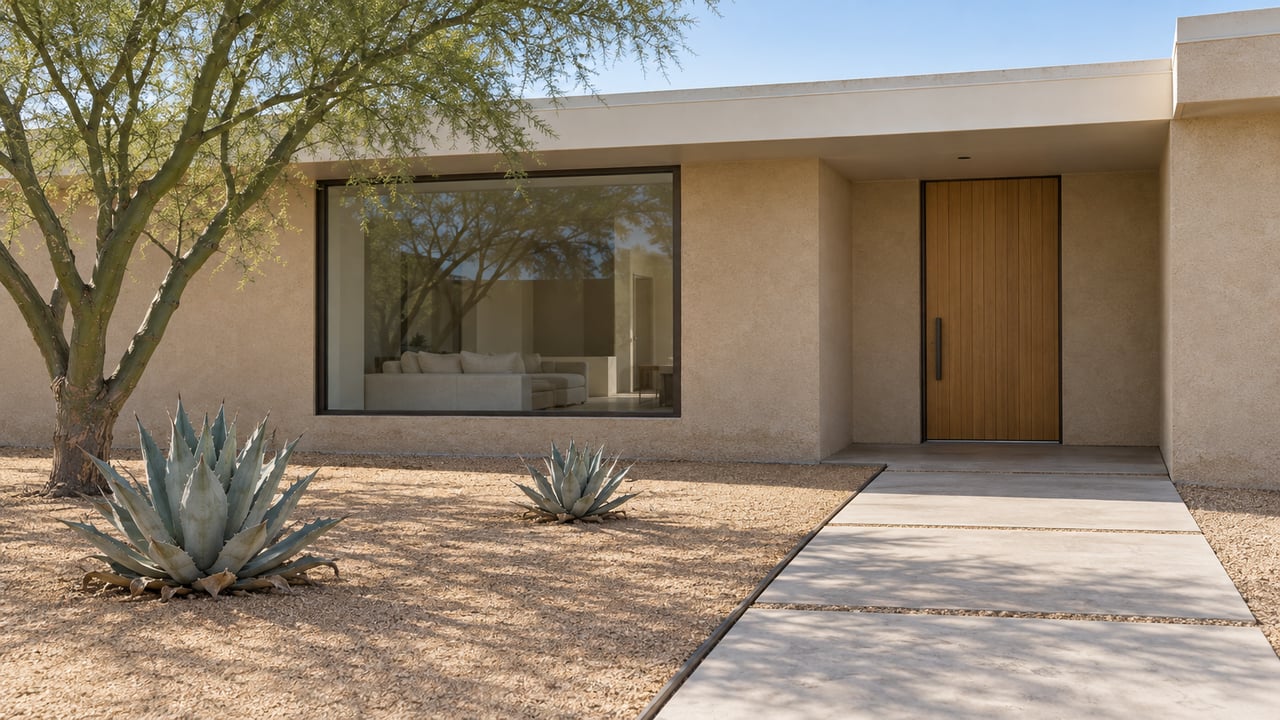
That history still matters today because the neighborhood is not defined by repetition. It is known for custom residences, irregular parcels, and a strong connection to Palm Springs architectural history. For a design-minded buyer, that means you are often shopping for provenance, siting, and individuality rather than a standard vacation-home product.
Palm Springs planning materials and local coverage also point to Little Tuscany’s mix of custom homes, desert landscape design, and architecturally notable residences. If your ideal second home includes a sense of authorship and place, this neighborhood tends to deliver that in a way few areas can.
Architecture Shapes the Buying Experience
In Little Tuscany, architecture is not a side note. It is a major part of the value story. Many homes are custom-built, and the neighborhood has long attracted notable architects and residents.
That can influence how you evaluate a property. A home’s design pedigree, relationship to the site, and level of preservation may matter just as much as bedroom count or square footage. If you are comparing homes here, look closely at how the architecture responds to the lot, the views, and the surrounding desert landscape.
For buyers who care about long-term value, this is important. Palm Springs community-design policies emphasize preserving architectural, historical, cultural, and natural resources. In practical terms, that makes thoughtful design and stewardship especially relevant when you buy in Little Tuscany.
Hillside Lots Change the Rules
One of Little Tuscany’s biggest draws is also one of its biggest planning considerations. The neighborhood is a hillside area with narrow winding roads, prominent rocks and boulders, and broad views of the mountains and valley below.
Those dramatic settings can create an unforgettable vacation-home experience. They can also shape what you may be able to change later. In Palm Springs, hillside homes are defined as being on lots with slopes over 10%, and hillside projects are subject to architectural review.
New homes on hillside parcels require Major Architectural Review. Additions, as well as some landscape and lighting changes, require Minor Architectural Review. If you are buying a home with plans to expand, rework the exterior, or significantly alter the grounds, you will want to factor that review process into your timeline and budget.
Views Are More Than a Selling Point
In Little Tuscany, view corridor is not just marketing language. City planning documents make clear that expansive mountain and valley views are central to the neighborhood’s appeal and part of its planning framework.
That matters when you assess a home’s current condition and future potential. A view lot may carry value because of how the house is positioned, how outdoor areas are arranged, and how the site frames the mountains. It may also mean that large-scale changes are not as simple as they would be in a flatter neighborhood.
When you tour homes, pay attention to these details:
- How the main living spaces relate to the views
- Whether landscaping enhances or interrupts sight lines
- How rocks, grade changes, and retaining features affect usability
- Whether a future remodel could change massing or orientation in ways that may trigger additional review
A beautiful view can define your ownership experience here. It is worth evaluating with care before you buy.
Daily Life in Little Tuscany
A vacation home has to work not only as a design object, but also as a place you actually enjoy using. One practical advantage of Little Tuscany is its connection to Uptown Palm Springs.
The city describes Uptown as a mixed-use center along North Palm Canyon Drive and North Indian Canyon Drive, north of Alejo and south of Via Escuela. It includes galleries, boutiques, and medical and professional offices, and is intended to serve nearby residential neighborhoods.
Local neighborhood coverage also notes that many residents shop in the Uptown design district and find it walkable from Little Tuscany. For a second-home buyer, that nearby access can add real convenience. You may get the feel of a tucked-away hillside neighborhood while still being close to dining, shopping, and everyday errands.
Think Seasonally Before You Buy
Palm Springs has a clear seasonal rhythm, and that should shape how you shop for a second home. The city describes Palm Springs as a place with year-round and seasonal residents and visitors, along with special events throughout the year.
Climate data helps explain why the ownership experience can feel very different by season. NOAA normals for Palm Springs Regional Airport show average highs and lows of 70.5°F and 47.6°F in January, 73.7°F and 49.7°F in February, 103.6°F and 72.7°F in June, 108.6°F and 79.4°F in July, and 108.1°F and 79.8°F in August.
For many owners, fall through spring may be the easiest time to enjoy outdoor living. Summer can put more emphasis on shade, cooling performance, and how often you plan to be in residence. If you expect to use your home year-round, look carefully at features like:
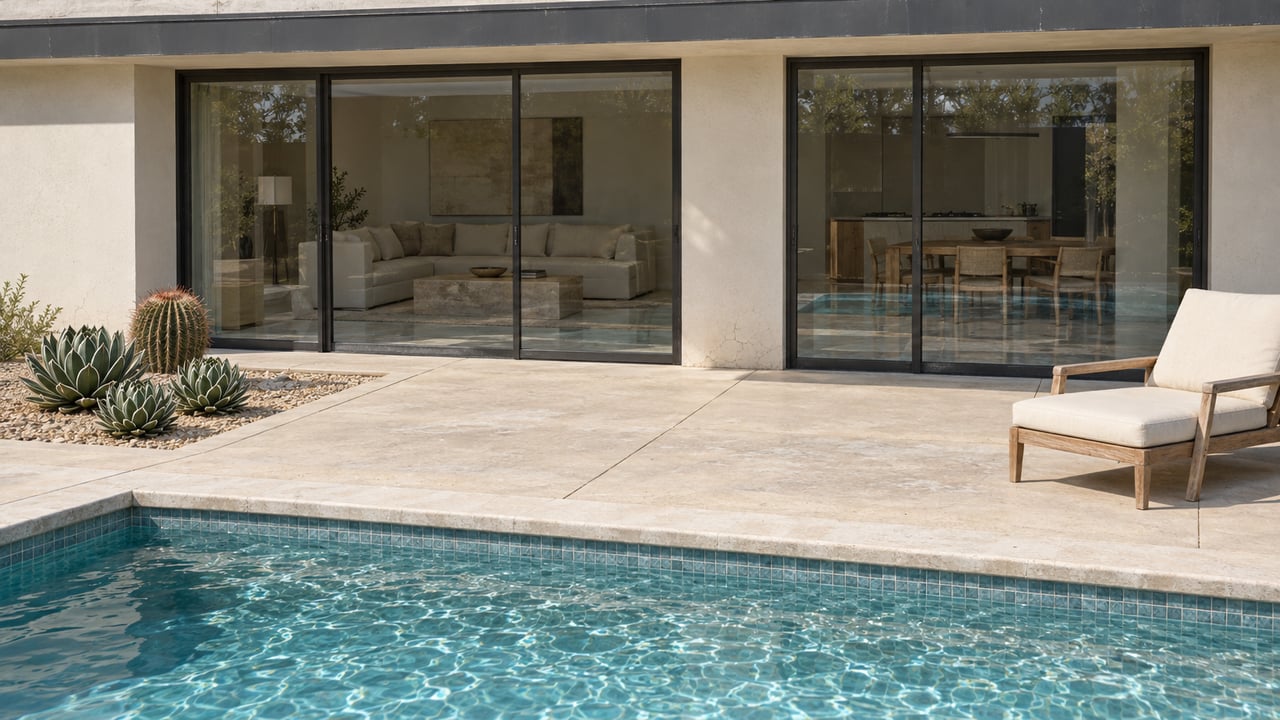
- Pool orientation and sun exposure
- Covered outdoor living areas
- Window placement and heat gain
- Cooling efficiency and overall comfort
- Low-maintenance landscaping during hotter months
The right home for you depends in part on when you plan to be there.
Plan for Reassessed Property Taxes
Many buyers make the mistake of looking at the seller’s tax bill and assuming their costs will be similar. In California, property taxes are generally based on assessed value established at change of ownership or new construction, with the tax rate typically limited to 1% plus local bonds and assessments.
For you, the takeaway is simple. A purchase can trigger reassessment, so your property tax basis may be very different from the current owner’s. When you build your budget for a Little Tuscany vacation home, plan around your likely purchase price rather than the home’s existing annual tax figure.
Short-Term Rental Rules Can Change the Math
If you are considering rental income, Little Tuscany requires careful due diligence. In Palm Springs, a home used as a vacation rental must have a city registration certificate, and that certificate expires when a property is sold.
That means a new owner must apply again before renting the property on a short-term basis. The city also caps vacation rentals at 20% of a neighborhood’s residential units, limits new permittees to 26 contracts per year, and requires at least $500,000 in liability insurance, annual building, fire, and safety inspections, and HOA confirmation if the property is in an association.
The city’s owner-authorization materials also state that stays of 28 days or less are subject to an 11.5% TOT plus a 1.0% TBID assessment, and the current annual registration fee is $1,046. For buyers, the key question is not simply whether a home has rented before. The real question is whether it can be rented legally under current rules, under the neighborhood cap, and under terms that work for your goals.
A Smart Little Tuscany Buying Checklist
Before you move forward on a vacation-home purchase, keep your due diligence focused on the issues that matter most in this neighborhood.
- Confirm the lot’s hillside conditions and any review implications
- Evaluate view orientation and how the site uses the terrain
- Review any remodel goals against current city architectural review requirements
- Budget using a reassessed property tax estimate rather than the seller’s bill
- Verify current short-term rental rules if income is part of your plan
- Check whether the property is in an HOA and whether that affects rental use
- Consider how your expected seasonal use matches the home’s outdoor design and cooling performance
A well-chosen Little Tuscany home can offer design, privacy, and a strong sense of place. The best purchases happen when you balance that emotional pull with disciplined local due diligence.
Little Tuscany is not a commodity vacation-home market. It is a design- and view-led neighborhood where architecture, topography, and city rules can all shape your ownership experience. If you want a second home here, it pays to look beyond surface-level appeal and buy with a clear understanding of the site, the seasonality, and the practical limits that may come with future renovations or rental plans.
If you are considering a Little Tuscany purchase and want guidance rooted in Palm Springs architecture and neighborhood nuance, Luz Solis can help you evaluate the right fit with clarity and confidence.
FAQs
What makes Little Tuscany different from other Palm Springs vacation-home areas?
- Little Tuscany is known for custom homes, hillside terrain, mountain and valley views, and strong architectural character rather than a more uniform housing pattern.
What should you know about hillside home rules in Little Tuscany?
- In Palm Springs, hillside lots with slopes over 10% are subject to architectural review, and new homes, additions, and some landscape or lighting changes may require city review.
What is important about views when buying a Little Tuscany home?
- Views are a core part of the neighborhood’s appeal and can affect property value, site design, outdoor usability, and the scope of future renovation plans.
What is Little Tuscany like for part-time Palm Springs living?
- Little Tuscany offers a tucked-away hillside setting with practical access to Uptown Palm Springs, where you will find galleries, boutiques, and professional services nearby.
What climate factors matter for a Little Tuscany second home?
- Palm Springs is mild in winter and very hot in summer, so your comfort may depend on shade, cooling performance, pool usability, and how often you plan to use the home during warmer months.
What should buyers know about property taxes on a Little Tuscany purchase?
- California property taxes are generally based on assessed value at change of ownership, so your taxes may be reassessed based on your purchase rather than the seller’s existing bill.
What should buyers know about vacation-rental rules in Little Tuscany?
- A Palm Springs vacation rental requires a city registration certificate, is subject to neighborhood caps and operating rules, and a prior owner’s certificate does not transfer after a sale.