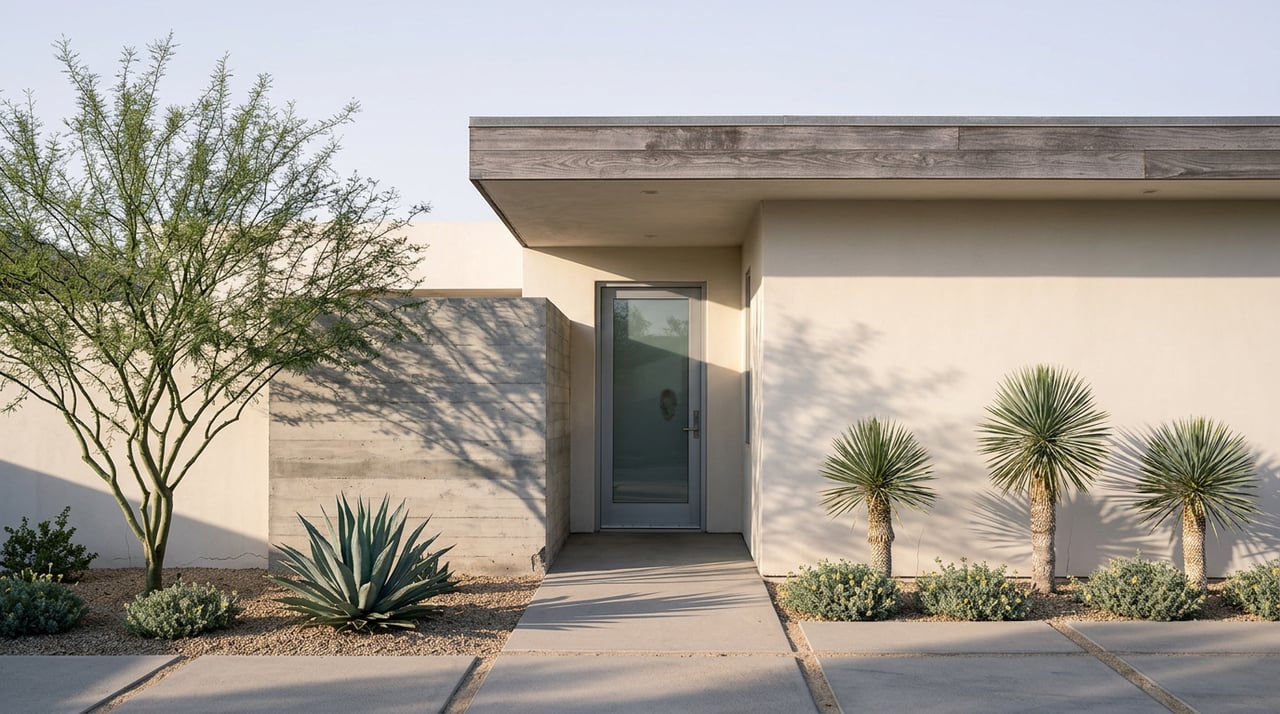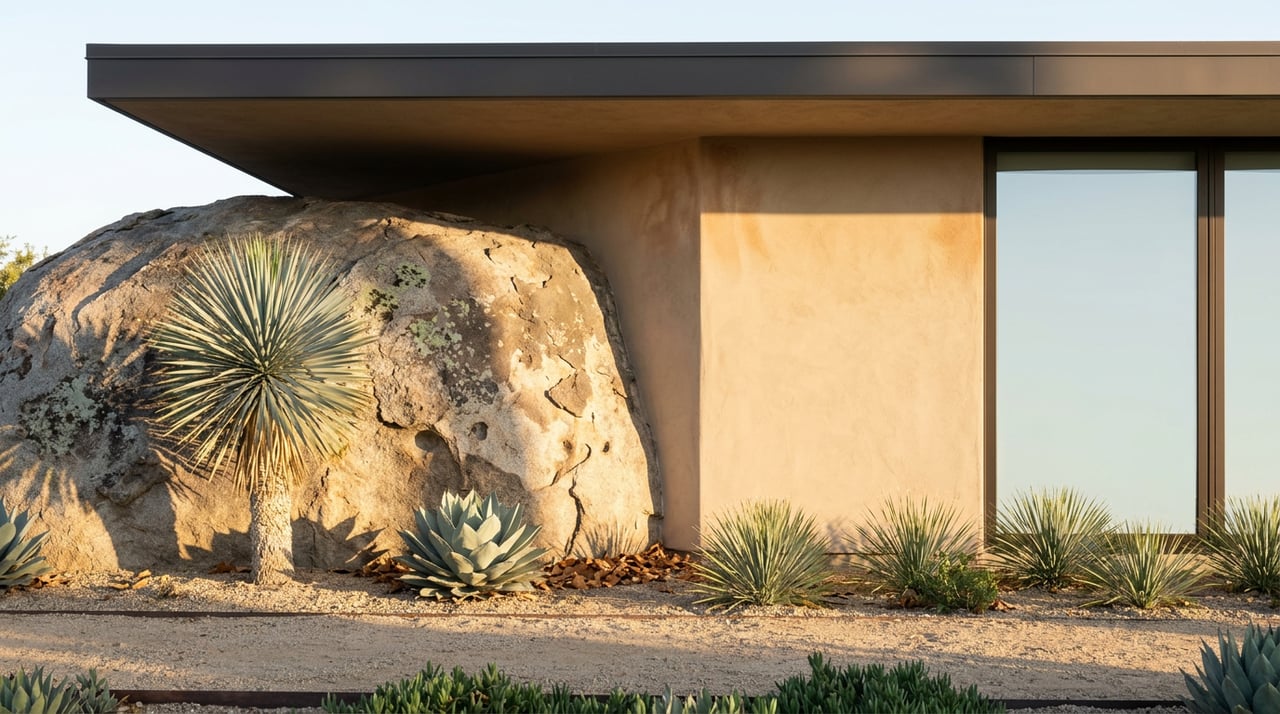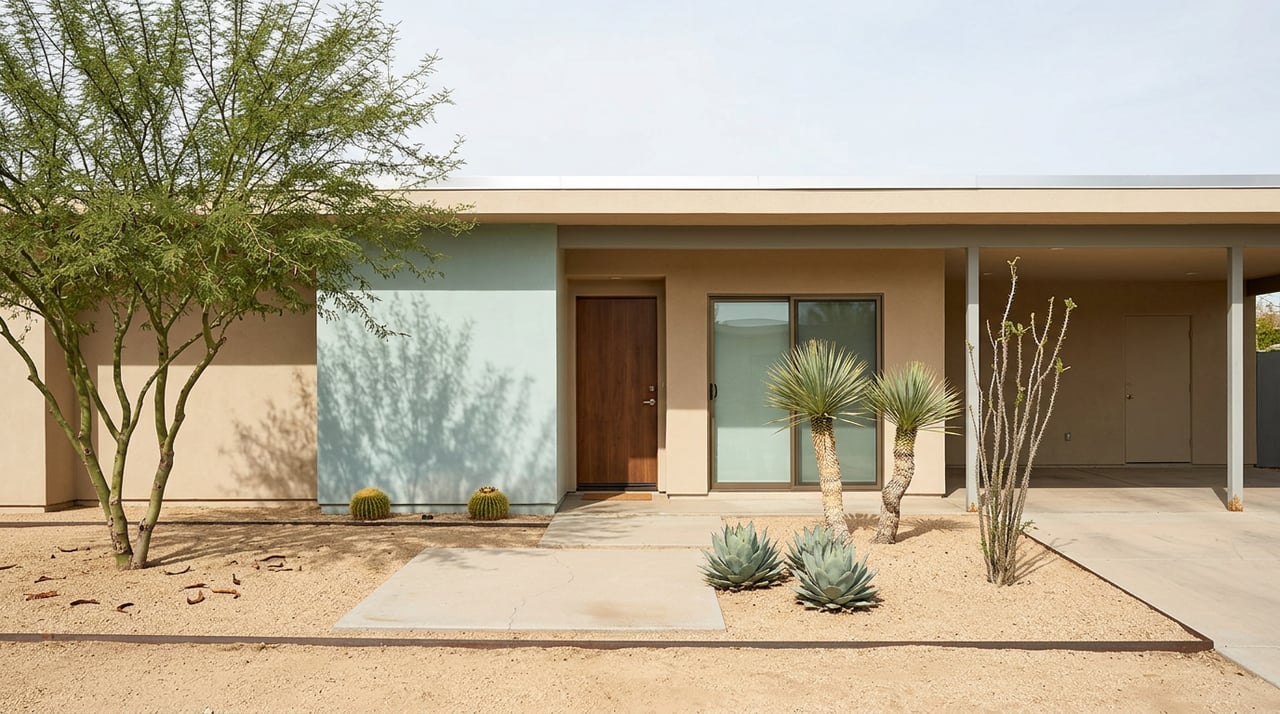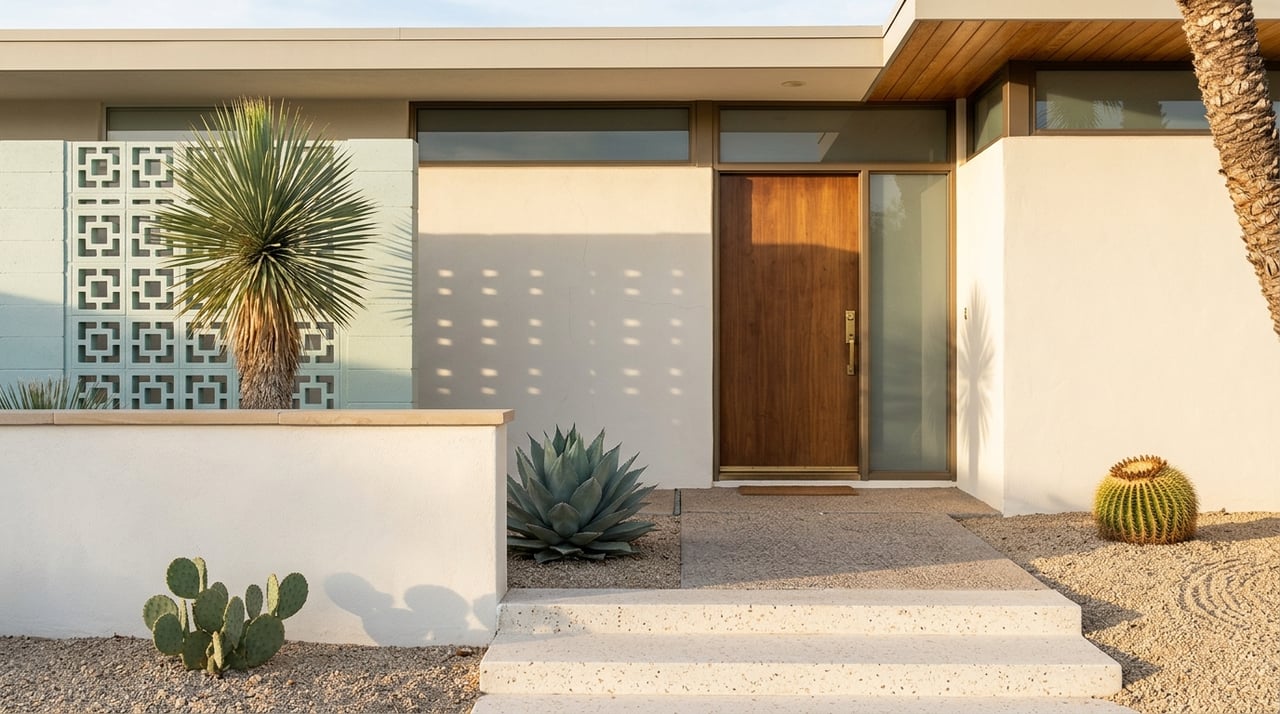
If you love Palm Springs for its glamour, architecture, and sense of place, The Movie Colony tells that story in one compact neighborhood. This is where old Hollywood history and early desert design still show up in the street pattern, landmark homes, and overall feel of the area. If you are curious about what makes this neighborhood special, or what it means for buying or selling here, this guide will walk you through the highlights. Let’s dive in.
Why The Movie Colony Matters
The Movie Colony is one of central Palm Springs’ most recognizable historic neighborhoods. According to the neighborhood organization, it includes about 170 homes and is bounded by Tachevah Road, Alejo Road, Avenida Caballeros, and Indian Canyon. It also sits within walking distance of downtown, which adds to its appeal for people who want a central location with a strong sense of history.
Its name is tied to Palm Springs’ long identity as a retreat for Hollywood figures. The City of Palm Springs notes that the neighborhood was not originally laid out as a planned tract called The Movie Colony. Instead, the name developed later because so many film-industry figures lived around the El Mirador Hotel area.
That backstory still shapes how people experience the neighborhood today. You are not just looking at a collection of homes. You are stepping into a part of Palm Springs where celebrity history, preservation, and architecture continue to overlap.
Hollywood History In The Neighborhood
The Movie Colony earned its reputation through the stars who spent time here. Local neighborhood history names Cary Grant, Dinah Shore, Jack Benny, Marilyn Monroe, and Al Jolson among the figures associated with the area. For Palm Springs, that is more than a fun anecdote. It is part of the city’s broader historic identity as a desert escape for major names in entertainment.
Some of the neighborhood’s best-known homes help make that history tangible. Verified examples include Cary Grant’s Las Palomas at 928 North Avenida Palmas, Dinah Shore and George Montgomery’s first desert home in the colony, Al Jolson’s Movie Colony house, and the Charles Farrell Residence. These properties give the neighborhood a clear link to specific people and moments in local history.
One of the strongest historic anchors is Cary Grant’s former home. The City of Palm Springs lists it as a Class 1 historic site, and local reporting describes it as a 1930 home designed by John Byers in a Spanish Andalusian farmhouse style. That kind of documented provenance matters because it reinforces The Movie Colony’s role as a place where architecture and celebrity history are closely connected.
The Charles Farrell Residence adds another layer to the story. Farrell was a silent-film star who later became mayor of Palm Springs, which ties the neighborhood not only to Hollywood but also to civic history. In a place like Palm Springs, that blend of cultural and local significance gives the neighborhood lasting depth.
Architecture That Defines The Area
The Movie Colony is often admired for its early desert character. Palm Springs city documents identify Spanish Colonial Revival as a common local style, especially in residential and commercial buildings from the 1920s and 1930s. Preservation materials also note that Palm Springs adapted the style in a more restrained and climate-responsive way.
In practical terms, that means you will often see features like courtyards, arches, ornamental ironwork, patios, tile, and strong indoor-outdoor connections. Those elements suit the desert climate while giving homes a warm, textured appearance. They also help explain why older homes here feel distinct from many later neighborhoods.
The Charles Farrell Residence is one example of this architectural language. Its Spanish roots and later ironwork additions show how homes in The Movie Colony can carry more than one design chapter. That is important because the neighborhood is not frozen in one exact era or one exact look.
More Than One Style Story
Although early Spanish Revival architecture is a major part of The Movie Colony’s identity, the neighborhood is not stylistically uniform. Palm Springs Life has described the area as one where more estate-like properties sit on larger pieces of land, and where some of the older Spanish homes still retain details like Saltillo tile, Batchelder tile, beams, shutters, and wrought iron. Those original features can be a big part of a home’s character.
At the same time, some houses reflect postwar changes or later modern layers. Local reporting has documented Movie Colony homes that blend Spanish architecture with midcentury influence. So if you are exploring homes here, you may find both pure period properties and homes that evolved over time.
That layered character is part of the neighborhood’s appeal. For design-minded buyers, it means there is room for different expressions of Palm Springs history. For sellers, it means thoughtful marketing should explain not just square footage or finishes, but also how a home fits into the area’s broader architectural story.
What The Movie Colony Feels Like Today
Today, The Movie Colony remains a compact and mostly residential pocket in central Palm Springs. The neighborhood organization says Ruth Hardy Park and the 5-acre Wellness Park sit within the colony, giving the area added open space and everyday usability. That helps balance the neighborhood’s historic glamour with a livable, local feel.
Hospitality is also part of the setting. Renovated hotels such as Colony Palms, The Movie Colony Hotel, El Mirasol, and Triada reinforce the area’s visitor appeal and remind you that Palm Springs has long blended residential life with resort culture. In The Movie Colony, that mix still feels visible.
The neighborhood’s physical character also helps preserve its identity. The City’s circulation plan notes that older built-out neighborhoods like Movie Colony may retain streets without full curb-and-gutter improvements when health and safety are not affected. That detail may sound small, but it helps explain why the area still feels older and more rooted than a fully standardized modern subdivision.
Preservation Still Shapes The Neighborhood
The Movie Colony is not simply historic in a casual sense. Palm Springs maintains a formal historic-site inventory, and some of the neighborhood’s best-known homes carry Class 1 status. That official recognition gives added structure to the area’s preservation story.
The neighborhood also remains part of Palm Springs’ active heritage landscape. Recent city tourism programming has continued to route architecture tours through The Movie Colony. That tells you the neighborhood is still seen as an important place for understanding Palm Springs design and history.
For buyers and sellers, preservation matters because it influences how a property is understood in the market. In a neighborhood like this, a home’s architectural details, period integrity, and documented history can be a meaningful part of how people value it.
What Buyers Should Notice
If you are considering a home in The Movie Colony, it helps to look beyond the headline of “old Hollywood.” The real value often comes from how history, design, and location come together in a very walkable central Palm Springs setting. You are getting more than a home. You are buying into a neighborhood with a distinct identity.
As you compare properties, pay attention to the architectural bones of the home and any features that speak to its era. Elements like arches, original tile, ironwork, beams, courtyards, and indoor-outdoor living areas may tell you a lot about the property’s place in the neighborhood’s design story. In some homes, later updates may add another meaningful layer rather than erase the original character.
It also helps to understand that The Movie Colony offers variety within a small footprint. Some homes lean strongly into early Spanish character, while others show later design influence. That mix can be exciting, especially if you want a property with both historic roots and a livable Palm Springs layout.
What Sellers Should Highlight
If you own a home in The Movie Colony, your property may deserve more than a standard neighborhood description. Buyers drawn to this area often care about provenance, architectural details, and the way a home fits into Palm Springs history. Clear storytelling can help your home stand out.
That starts with identifying the features that make your property distinctive. Original materials, preserved character details, estate-like lot size, and any documented historic connections can all shape how buyers perceive value. In a neighborhood known for landmark homes and celebrity associations, context matters.
Presentation matters too. In a design-driven market like Palm Springs, strong visual marketing and thoughtful positioning can help buyers see not just the house itself, but its place within The Movie Colony’s larger legacy. That is especially true when a home has architecture worth preserving or a story worth telling.
Why Local Expertise Matters Here
The Movie Colony is the kind of neighborhood where details matter. A buyer may want to understand the difference between a pure 1930s Spanish Revival home and a property with later midcentury influence. A seller may need a strategy that frames the home in terms of architectural character, not just comparable sales.
That is where local, design-aware guidance can make a real difference. In Palm Springs, neighborhoods with strong historic and architectural identities often require more careful interpretation and marketing than a typical tract area. Knowing how to present that value clearly is part of serving clients well.
If you are exploring The Movie Colony, it helps to work with a team that understands Palm Springs architecture, neighborhood nuance, and the expectations of design-minded buyers. If you are ready to talk about buying, selling, relocating, or investment opportunities in Palm Springs, connect with Luz Solis.
FAQs
What is The Movie Colony in Palm Springs?
- The Movie Colony is a central Palm Springs neighborhood of about 170 homes, bounded by Tachevah Road, Alejo Road, Avenida Caballeros, and Indian Canyon, according to the neighborhood organization.
Why is The Movie Colony called The Movie Colony?
- The name developed over time because of the concentration of Hollywood figures living around the El Mirador Hotel area, rather than from an original planned tract with that name.
Which celebrities are associated with The Movie Colony?
- Local neighborhood history names Cary Grant, Dinah Shore, Jack Benny, Marilyn Monroe, and Al Jolson among the stars associated with the neighborhood.
What architectural style is common in The Movie Colony?
- Early Spanish Colonial Revival is a major part of the neighborhood’s identity, often seen in courtyards, arches, tile, patios, ornamental ironwork, and indoor-outdoor living spaces.
Are all homes in The Movie Colony the same style?
- No. While many homes reflect 1920s and 1930s Spanish Revival character, some properties also include postwar or later modern influences.
What makes Cary Grant’s Movie Colony home notable?
- Cary Grant’s Las Palomas at 928 North Avenida Palmas is listed by the City of Palm Springs as a Class 1 historic site and is described as a 1930 home designed by John Byers in a Spanish Andalusian farmhouse style.
What is The Movie Colony like today?
- Today it remains a mostly residential neighborhood near downtown Palm Springs, with Ruth Hardy Park, the 5-acre Wellness Park, and several renovated hotels contributing to its character.
Why does preservation matter in The Movie Colony?
- Preservation matters because Palm Springs maintains a formal historic-site inventory, some neighborhood homes have Class 1 status, and the area remains part of the city’s active architecture-tour landscape.