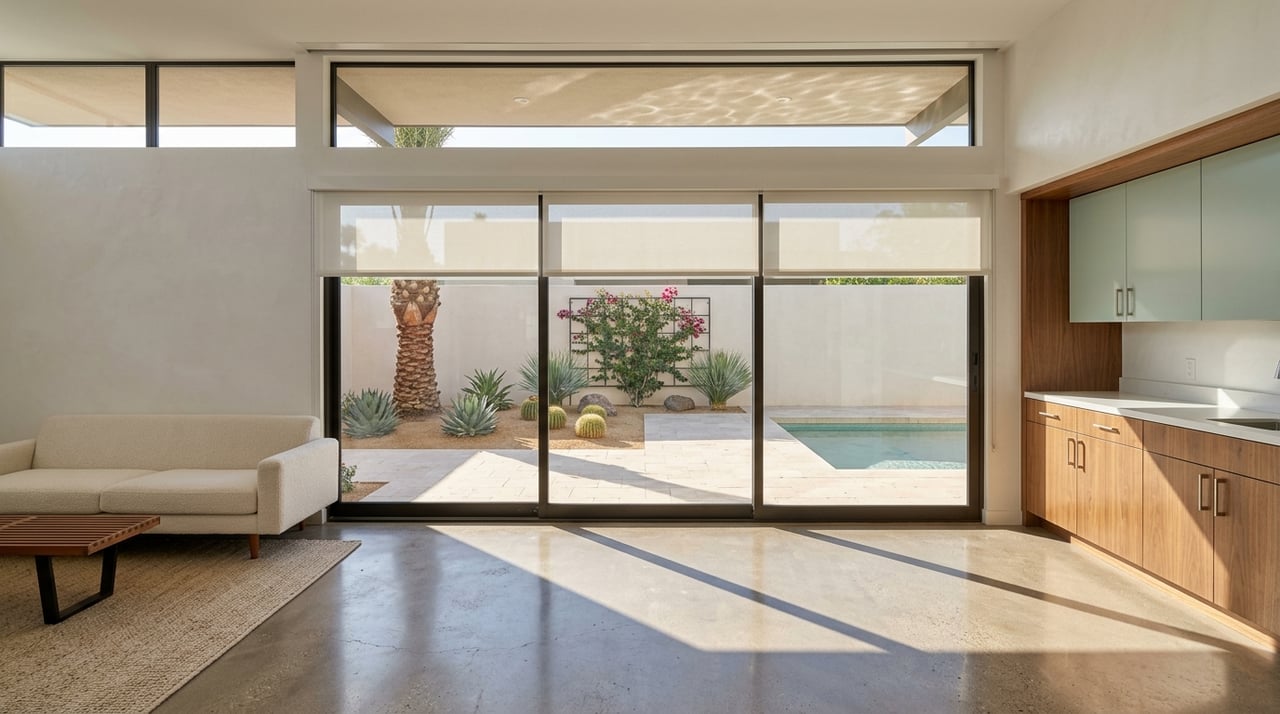
If you are eyeing Deepwell Estates as a vacation-rental investment, the appeal is easy to see. This Palm Springs neighborhood blends architectural character, larger lots, and a close-in location that many buyers and guests find attractive. But before you underwrite a purchase, you need a clear view of how Palm Springs rules, seasonality, and property-specific features can shape the opportunity. Let’s dive in.
Why Deepwell Estates Stands Out
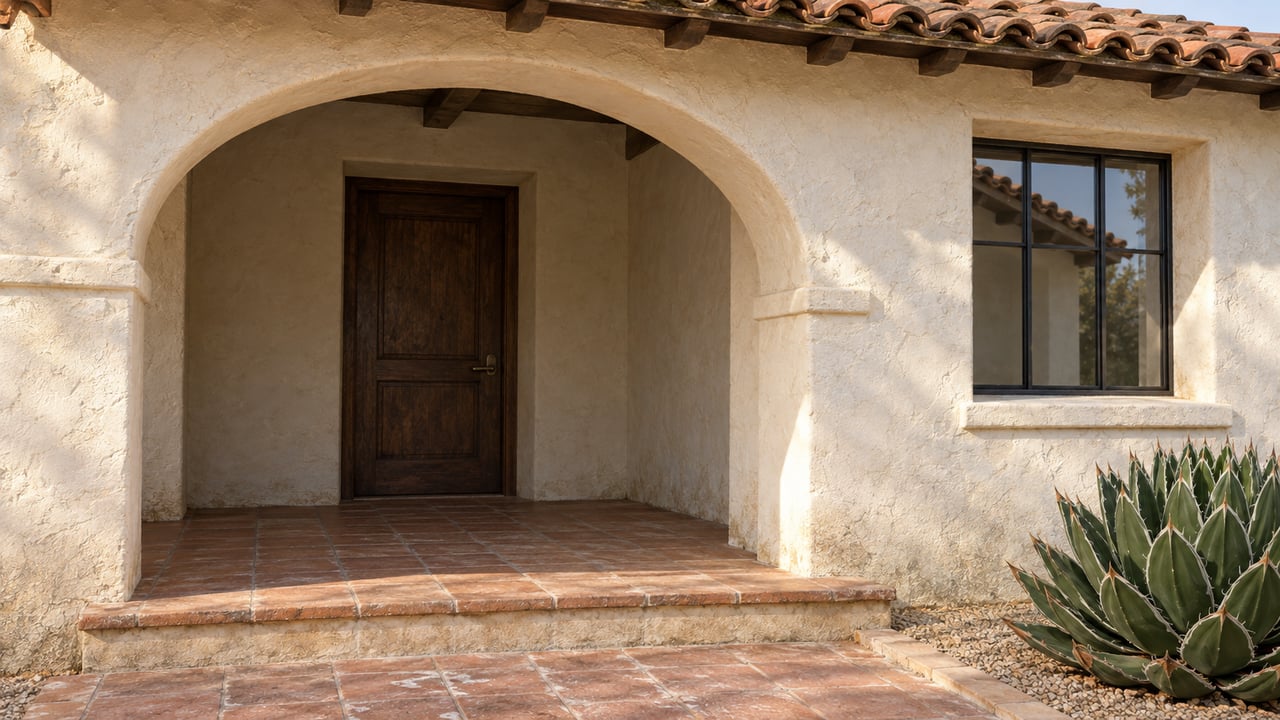
Deepwell Estates is a Palm Springs neighborhood with roots in the early 1950s. According to Palm Springs Life, the neighborhood sits between East Mesquite Avenue, East Palm Canyon Drive, South Sunrise Way, and Deep Well Road, and developed as a 231-parcel tract with Spanish Colonial Revival, Ranch, and Mid-century Modern homes.
That history matters if you are evaluating short-term rental potential. The neighborhood’s larger lots and proximity to downtown Palm Springs can support the kind of privacy, outdoor living, and convenient access that many visitors look for. It is important to treat that as a market-fit advantage, not a guarantee of booking volume or income.
Why Architecture Matters Here
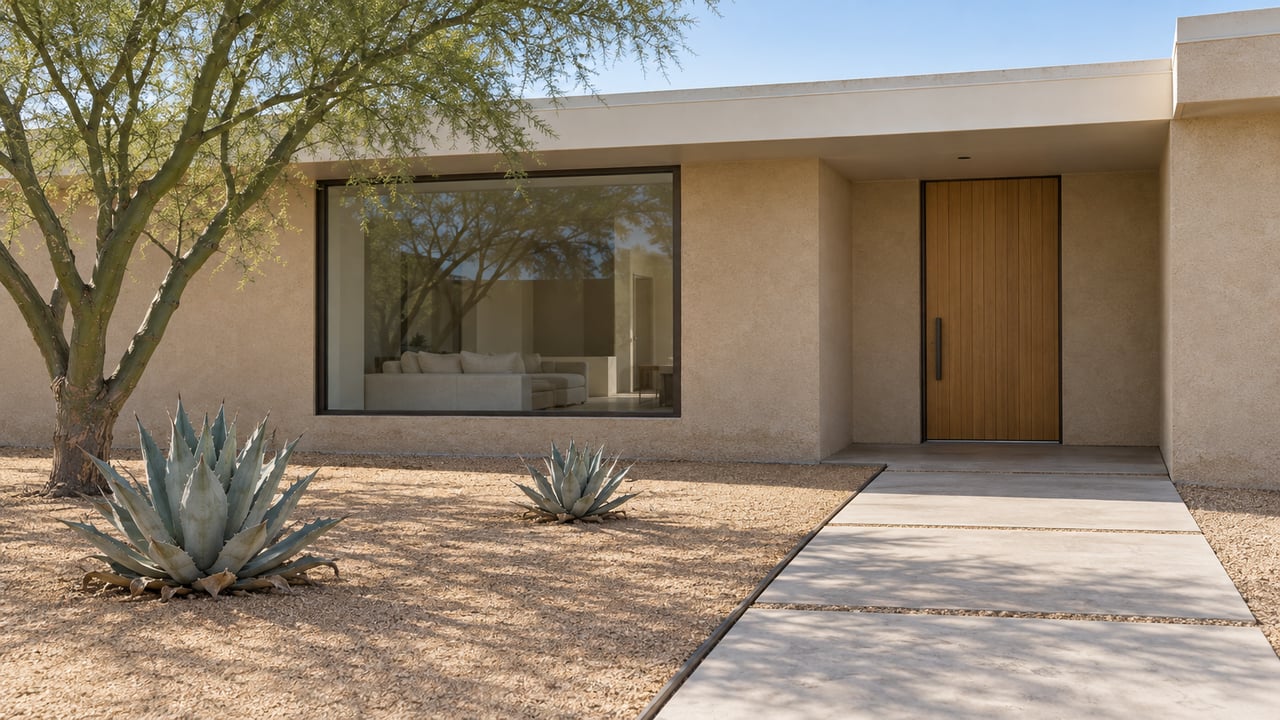
Deepwell’s built form is part of its appeal. City planning materials describe Deep Well Ranch Estates as a postwar custom-home development with long, low, one-story houses, while the city’s historic context ties that style to informal living, outdoor entertaining, and natural materials through the ranch-house ideal.
For an investor, that design language can be practical as well as beautiful. Homes with strong indoor-outdoor flow, multiple bedrooms, generous patios, privacy walls, and off-street parking may be easier to position for vacation-rental use because they line up better with guest expectations and city operating rules.
Start With Palm Springs Regulations
The first step is confirming that the home falls under Palm Springs city rules. Palm Springs allows vacation rentals and homesharing only as secondary uses in single-family homes, and the city makes clear that a Riverside County short-term rental permit does not satisfy Palm Springs requirements for a property inside city limits.
A vacation rental means the whole home is rented for 28 days or less while the owner is not present. Homesharing means renting part of the home while the owner remains on-site. In both cases, you need a city-issued registration certificate.
Timing Can Affect Your Plan
Palm Springs also has strict timing rules around ownership and permitting. You can only apply after escrow closes, and the city does not accept applications while the property is in escrow. The city also states that a certificate expires when the property is sold, so a seller’s existing certificate does not carry over to you.
That detail can have a real impact on your underwriting. If you are assuming immediate post-closing rental activity, you need to account for the application timeline and approval process. The city also says operating or advertising without a certificate is illegal.
Understand Contract Limits and Neighborhood Caps
One of the biggest underwriting issues in Palm Springs is the city’s contract limit. According to the city’s vacation-rental rules and cap page, new permittees are limited to 26 contracts per calendar year, while existing permittees are generally allowed 32, plus up to four additional third-quarter contracts.
A contract means an occupancy of 28 days or less. That means your revenue model should focus not just on nightly rate, but also on how many booking windows you can realistically use within the city’s framework.
The same city page states that organized neighborhoods are capped at 20% of residential units. If that cap has already been reached, applications are returned. Before you move forward on a Deepwell purchase, checking the current cap status is essential.
Factor In Operating Rules
Palm Springs has detailed operating standards, and they are not minor. Occupancy is limited to two adults per bedroom, with an eight-adult maximum plus up to two children under 12. Daytime visitors are capped, parking is limited to one car per bedroom, and amplified outdoor music is prohibited.
The city also requires owners or local contacts to respond quickly to complaints. Those rules matter because they affect how you market the home, how you screen guests, and whether the property layout supports compliant operations.
Insurance, Inspections, and Compliance Costs
The compliance burden goes beyond the permit itself. Palm Springs requires at least $500,000 in liability insurance, annual building, fire, and safety inspections, and annual owner or agent education and testing for renewals. Ad copy must also include the registration number and maximum guest count.
Violations can lead to fines, suspension, or permanent ineligibility. In practical terms, that means a strong operations plan is part of the investment case, not an afterthought.
Pool Homes Can Offer More Appeal
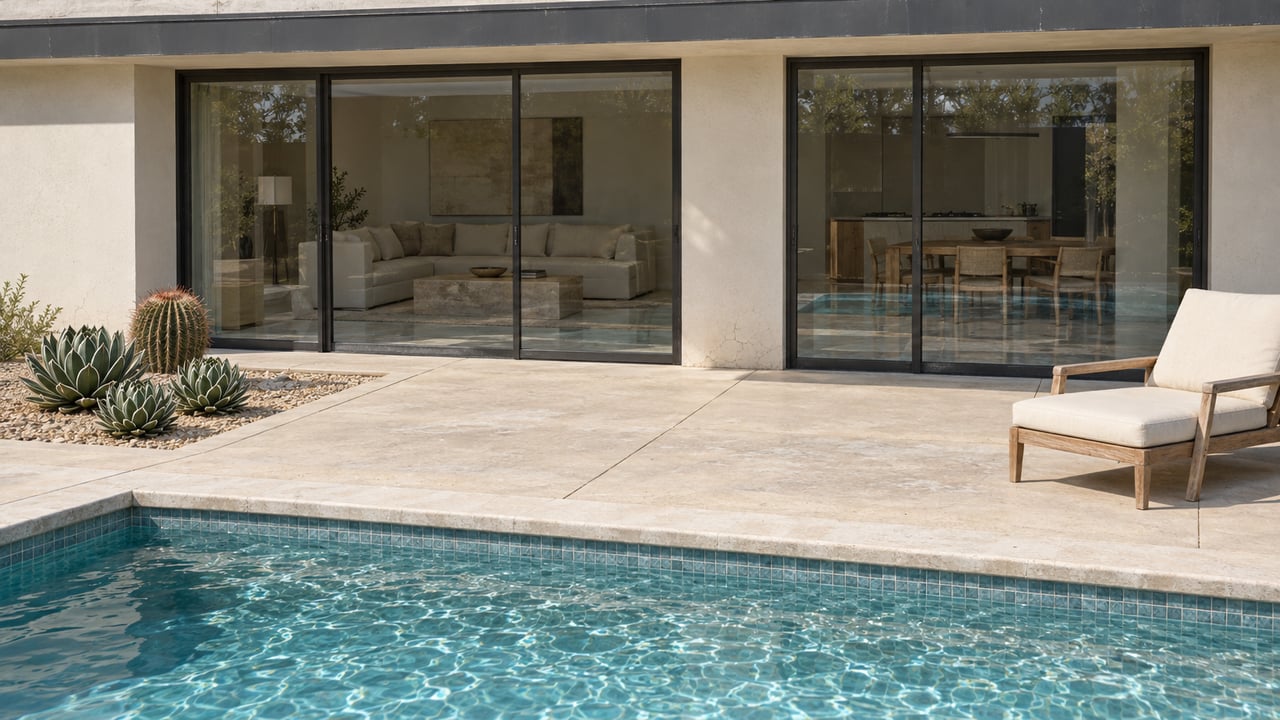
In a desert market, a pool can be a major draw. For many guests, that feature is part of the Palm Springs experience, especially during warmer months when pool-forward stays may still perform even if broader summer demand softens.
At the same time, pool homes come with added compliance items. The city requires a pool certification form every five years and annual safety inspection documentation for renewals. If a property has five or more bedrooms, a land-use permit application is also required.
What Features Deserve Extra Attention
When you evaluate a Deepwell Estates property, focus on features that support both guest appeal and city compliance.
Look for layout efficiency
A practical bedroom count matters because occupancy is tied to bedrooms. A well-designed floor plan with comfortable separation between sleeping areas and social spaces can make the home easier to market and manage.
Prioritize parking and access
Because parking is limited to one car per bedroom, off-street parking can be a meaningful advantage. A home with easy arrival, clear access, and usable driveway space may reduce friction for guests and operators.
Value outdoor living
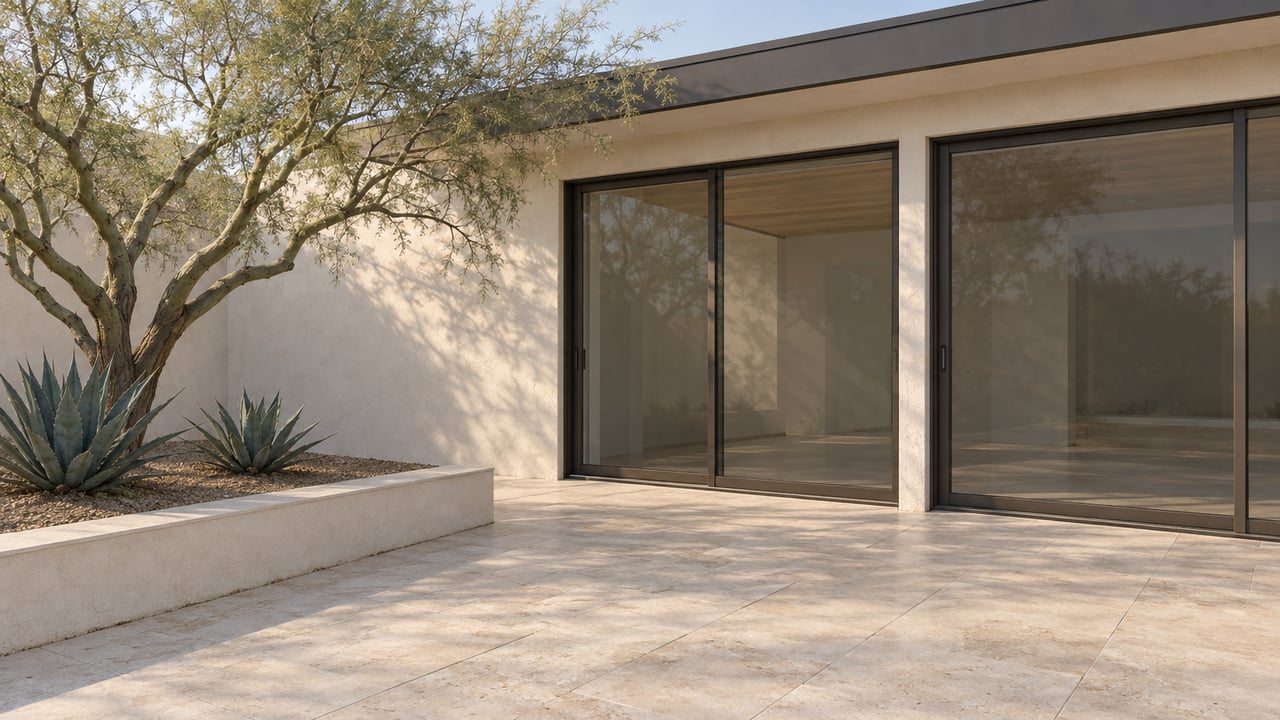
Deepwell’s design history supports homes that open naturally to patios, courtyards, and pool areas. That kind of flow is attractive to guests and aligns with the neighborhood’s architectural identity.
Consider privacy
Larger lots, privacy walls, and thoughtful orientation can help support a more comfortable guest experience. They can also help reduce the risk of neighborhood complaints, which is important in a tightly regulated environment.
Seasonality Matters in Palm Springs
Palm Springs benefits from a large tourism engine. Visit Greater Palm Springs reports 14.5 million annual visitors and $9.1 billion in 2024 tourism economic impact, and describes tourism as a year-round demand driver.
Still, not every season performs the same way. The destination’s weather guide shows why winter and spring tend to be especially attractive, with warm, mild winter weather and spring temperatures often in the high 70s to mid-80s.
The same source notes that restaurants, tours, and popular activities fill up quickly in winter and spring. Major events also stack demand in late winter and spring, including Modernism Week in February and Coachella and Stagecoach in April.
How to Think About Revenue Windows
For Deepwell Estates, the strongest booking windows are likely to line up with cooler weather and major event periods. That does not mean summer cannot work, especially for homes with strong pool appeal, but it may require more aggressive pricing and more selective expectations.
A smart underwriting model should account for:
- The city’s annual contract limits
- Seasonal swings in demand
- Event-driven booking periods
- Compliance costs such as insurance, inspections, and tax filings
- The time gap between closing and legal operation
This is one reason architecture and layout matter so much in Deepwell. A home that photographs well, lives well, and operates within the rules may have a stronger chance of capturing the best seasonal demand.
Do Not Ignore Tax Requirements
Palm Springs imposes an 11.5% transient occupancy tax for vacation rentals and agencies. Returns are due monthly whether or not the property was rented.
That means tax compliance is an ongoing operational task, not just a line item on a closing sheet. If you are building a pro forma, monthly filing obligations should be part of your management plan from day one.
Due Diligence Before You Buy
Before you commit to a Deepwell Estates purchase, make sure your due diligence goes beyond style and curb appeal. The city’s application guidance points to several issues that can directly affect your use case.
Use this checklist as a starting point:
- Confirm the parcel is inside Palm Springs city limits and not under county jurisdiction
- Check whether the neighborhood is already at the 20% vacation-rental cap
- Verify that the seller’s certificate will expire at closing
- Review whether the home can meet occupancy and parking rules
- Confirm insurance, inspection, and local-contact requirements are realistic for you
- Determine whether five or more bedrooms trigger a land-use permit application
- Review any HOA rules if applicable
- Have your tax and management structure reviewed by an attorney and CPA before closing
The Bottom Line on Deepwell Estates
Deepwell Estates can be compelling for a design-minded investor because it offers history, architectural character, larger lots, and a Palm Springs location that fits the destination’s lifestyle appeal. But the right purchase is not just about charm. It is about finding a property whose layout, parking, bedroom count, outdoor spaces, and compliance profile work within Palm Springs’ rules.
If you want help identifying homes that align with both design value and rental practicality, Luz Solis can help you evaluate the details that matter before you buy.
FAQs
What makes Deepwell Estates appealing for a vacation-rental buyer?
- Deepwell Estates offers architectural character, larger lots, and a close-in Palm Springs location, which can make it attractive for buyers evaluating guest appeal and lifestyle fit.
What vacation-rental rules apply to Deepwell Estates in Palm Springs?
- Palm Springs requires a city-issued registration certificate, limits contracts per year, enforces occupancy and parking rules, and applies neighborhood cap restrictions for qualifying properties.
Can you use a seller’s vacation-rental permit after buying a Deepwell Estates home?
- No. Palm Springs states that the certificate expires when the property is sold, and a buyer may only apply after escrow closes.
How does seasonality affect vacation-rental potential in Deepwell Estates?
- Winter and spring are likely the strongest demand periods due to mild weather and major events, while summer may still work for pool-focused homes but often requires more careful pricing.
What property features matter most for a Deepwell Estates vacation rental?
- Bedroom count, indoor-outdoor flow, privacy, off-street parking, patio space, and pool compliance are all important factors when evaluating both guest appeal and operational fit.
What taxes apply to a Palm Springs vacation rental property?
- Palm Springs imposes an 11.5% transient occupancy tax, and returns must be filed monthly whether or not the property was rented.