If you love clean lines, golden light, and dramatic mountain views, Little Tuscany will get your attention fast. Set against the San Jacinto foothills, this pocket of Palm Springs blends iconic mid-century design with earlier hillside villas to create a one-of-a-kind streetscape. Whether you are scouting a future home or planning a design walk, you will find houses that treat rock, glass, and shade as equal parts of the composition. In this guide, you will learn the neighborhood’s architectural DNA, a simple viewing route, and what to look for as you explore. Let’s dive in.
Little Tuscany at a glance
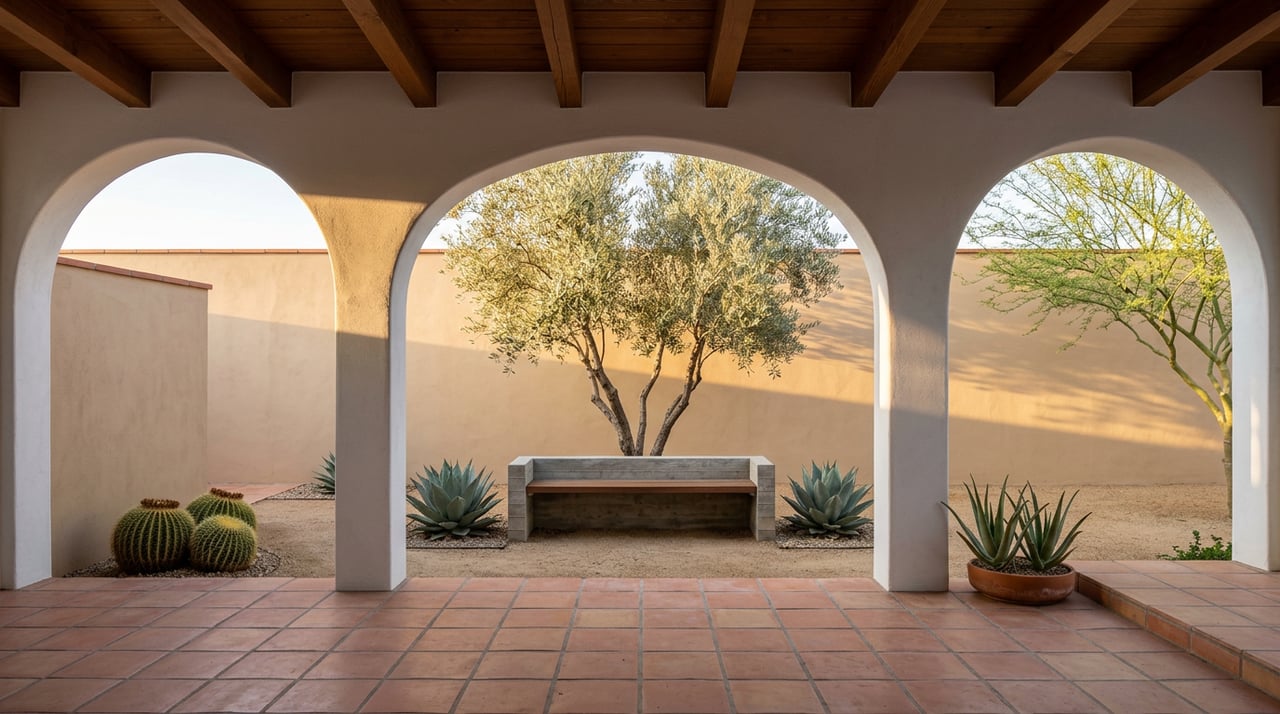
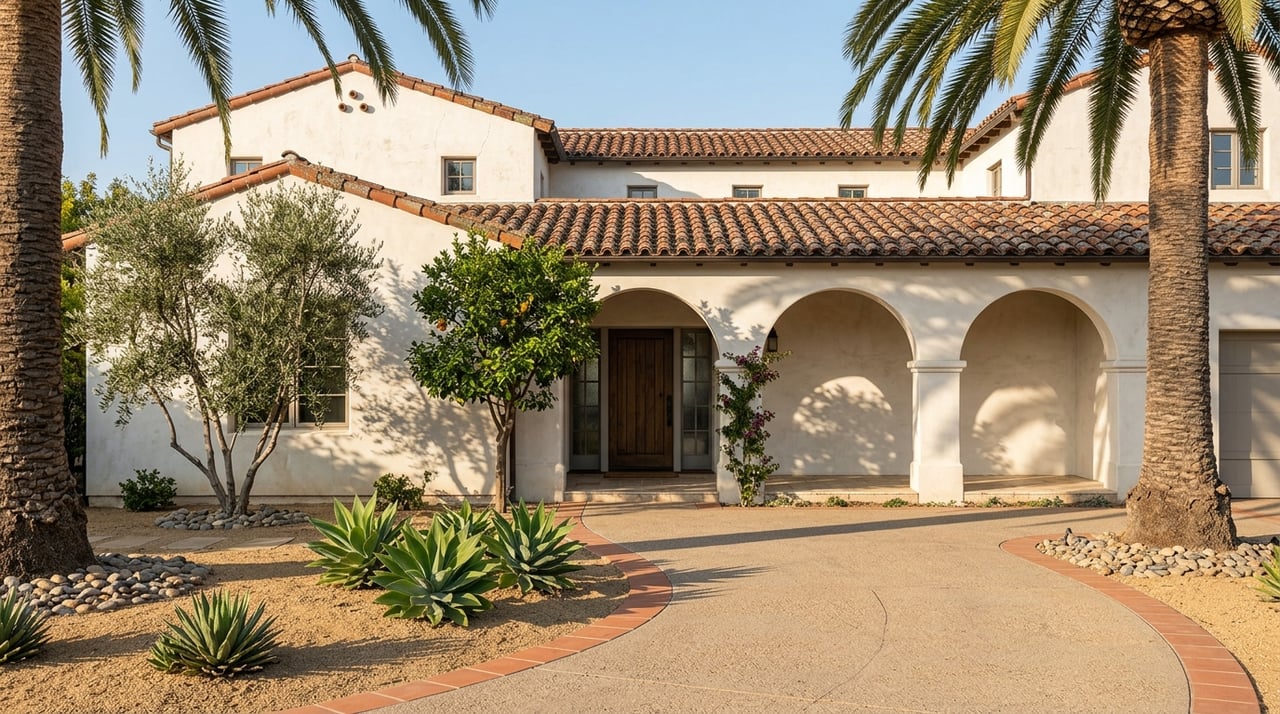
Little Tuscany began in the 1930s when builder Alvah Hicks mapped a hillside enclave and marketed Tuscan and Spanish-inspired homes on rocky lots. That early layer set the tone for a neighborhood that would soon welcome boundary-pushing modernists. You can read the area’s origin story in the Palm Springs Preservation Foundation history of Alvah Hicks.
From the 1940s through the 1960s, architects such as Richard Neutra, Albert Frey, E. Stewart Williams, Edward Fickett, and Craig Ellwood brought Desert Modernism to the same terrain. The result is a rare mix of pre-war villas and glass-and-steel pavilions set into boulders and knolls. For a helpful primer on the local style, start with the Visit Palm Springs mid-century architecture tour guide.
Desert Modernism essentials
Key design moves
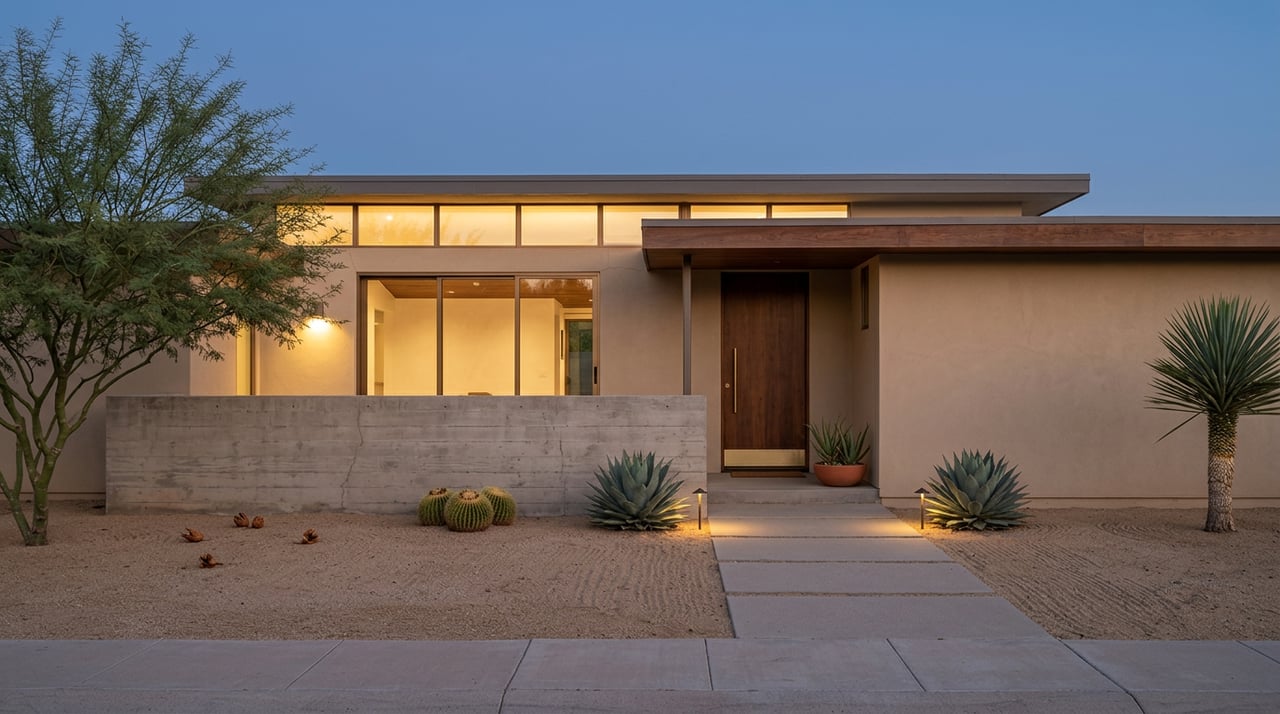
Desert Modernism adapts international modern design to the desert climate and lifestyle. You will notice:
- Low, horizontal profiles that settle into the hillside.
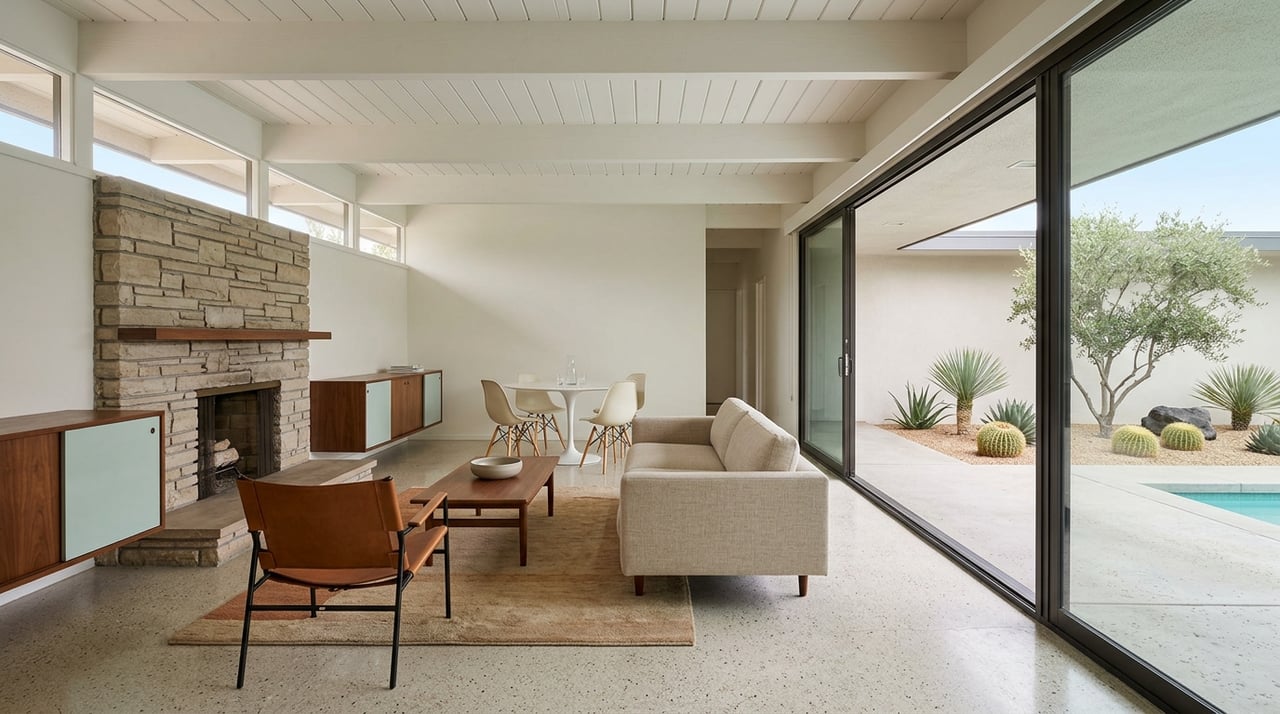
- Large sliding glass walls that frame mountain and valley views.
- Open floor plans that flow to patios, pools, and courtyards.
- Flat, shed, or butterfly roofs with deep overhangs for shade.
Custom-designed statements sit alongside well-known designer-built homes. The common thread is the easy indoor-outdoor connection that turns the patio into your main living room.
Materials and climate strategies
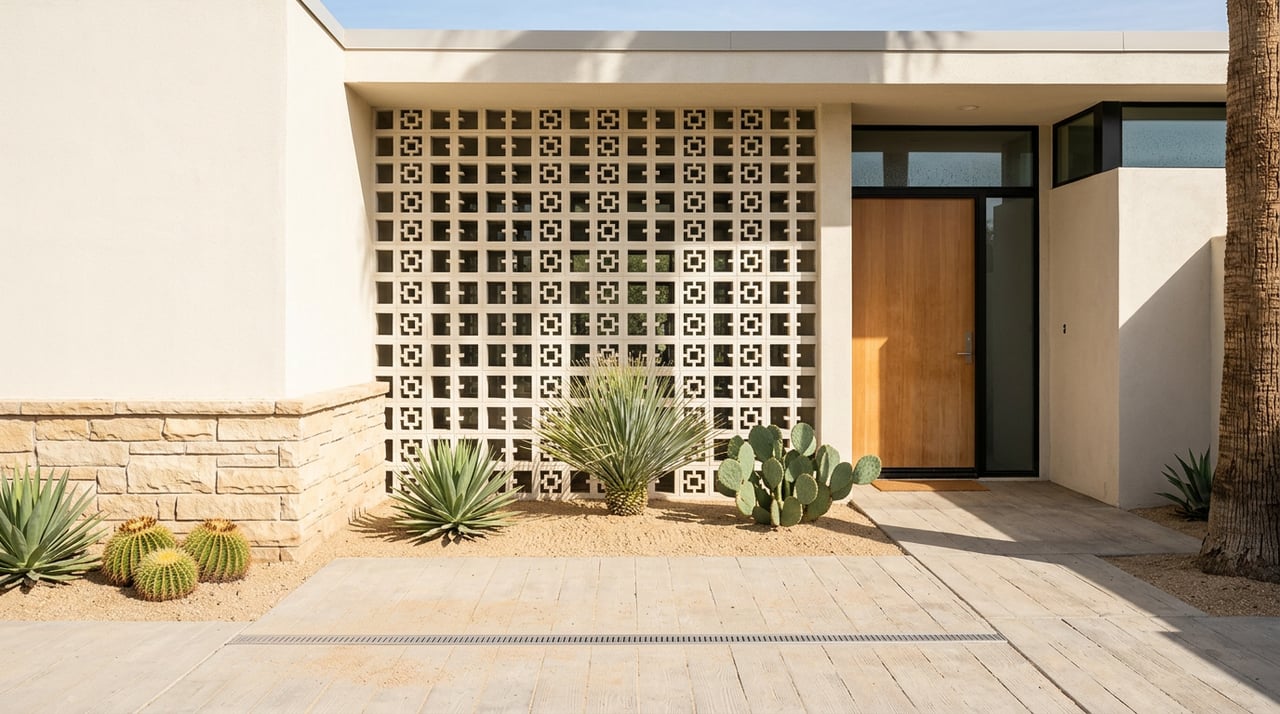
Little Tuscany homes often use steel or post-and-beam framing, concrete block screens, and wide expanses of glass. Select projects add corrugated metal or aluminum, exposed wood, and locally matched stone. Architects oriented homes for seasonal sun, used deep eaves, and added clerestories or adjustable louvers to manage light and heat. The National Register documentation for the Raymond Loewy House details how materials and climate thinking come together in one of the neighborhood’s signature works.
Built into the boulders
One trait sets Little Tuscany apart: many homes do not conquer the rocky site. They collaborate with it. Architects treated boulders as design partners, tucking structures into outcrops and folding patios and pools around stone. The Loewy House by Albert Frey places a sleek pavilion beside a boulder field, with corrugated metal and pecky cypress balancing the raw geology, as documented in the Loewy House National Register file. E. Stewart Williams’ Edris House is another touchstone for site-sensitive design, recognized in Los Angeles Times coverage of the Edris House.
Notable homes and streets
A simple viewing route
Use W Vista Chino as your spine, then rise into the hills on W Cielo Drive and W Panorama Road. Short, steep Tuscan-named roads and cul-de-sacs branch from these, revealing tucked driveways and low-slung silhouettes. Local self-guided maps follow the same sequence referenced in the Visit Palm Springs tour guide. Remember that many properties are private and designed for privacy. Streets can be narrow with limited parking, so plan for respectful, quick viewing.
Must-see landmarks (exterior viewing)
Kaufmann Desert House, 470 W Vista Chino (Richard Neutra, 1946). A global icon of Desert Modernism, known for its steel, glass, and stone composition, plus a roof “gloriette” that captures desert breezes. For context on its design and restoration profile, see Palm Springs Life’s overview of the Kaufmann House.
Raymond Loewy House, 600 W Panorama Road (Albert Frey, 1946). An L-shaped pavilion set among boulders with corrugated metal, pecky cypress, and a pool that engages the rock edge. Details appear in the National Register documentation.
Edris House, 1030 W Cielo Drive (E. Stewart Williams, mid-1950s). A steel-framed, wood-clad home set into a knoll with native stone elements and glass that frames long views. Its historic status and significance are noted in Los Angeles Times reporting.
Max Palevsky House, 1021 W Cielo Drive (Craig Ellwood, late 1960s). A minimalist composition on a steep site that shows how later modernists handled privacy and courtyards. For a traveler’s design perspective, see Craig Ellwood’s later modernism in Palm Springs.
Franz Alexander House, 1011 W Cielo Drive (Walter S. White). An expressive roofline and inventive structure demonstrate how mid-century experimentation met sloping lots. The address appears on local mid-century tour guides.
Graceland West, 845 W Chino Canyon Road (Albert Frey/Spanish-Colonial ranch, mid-1940s). Stylistically distinct yet central to the neighborhood’s cultural story. Read more in Palm Springs Life’s look at celebrity homes.
Landscape and streetscape cues
Little Tuscany’s look comes from a few repeated moves:
- Boulder integration where patios, chimneys, and even pools meet natural stone.
- Long, horizontal glazing and overhangs that frame mountain or valley views rather than small, high windows.
- Winding one-lane streets and gated drives that create a sense of discovery. Some landmarks are partly obscured from the street, as noted in preservation records.
- A desert-forward plant palette of palms, agaves, succulents, and rock gardens. Over time, many homes have shifted from lawns to water-wise xeriscape.
Touring tips and access
Most homes here are private. Interiors are generally not open unless part of a curated event like Modernism Week or a preservation-group tour. If you want to see inside, plan well in advance and watch for listings on Modernism Week’s curated home tour pages. When exploring on your own, be a good guest: keep voices down, do not block driveways, and photograph only from public rights-of-way.
Buying or selling guidance
If you are a design-minded buyer, look for original details that matter: steel or post-and-beam structure, intact breeze block screens, clerestory windows, and correctly proportioned overhangs. Study how the home meets the site. Houses that preserve boulder integration or native stone often carry strong long-term value. If restoration is on your mind, you will want trusted guidance on period-appropriate materials and improvements that respect provenance.
If you are a seller, your marketing should lead with design pedigree and the home’s relationship to the land. Accurate architect attribution, documented upgrades, and high-quality photography that captures shade lines and sightlines help the right buyers connect quickly. Thoughtful positioning can turn history and architecture into measurable outcomes.
At Richie Usher Realty Group, you get a team that treats architecture as both story and strategy. We help you source the right property, value design-forward homes correctly, and market with the restraint and precision this neighborhood deserves. Ready to explore Little Tuscany or discuss your home’s potential? Connect with Luz Solis to start a tailored plan.
FAQs
Can you tour Little Tuscany homes without an event?
- Most interiors are private. Watch for ticketed openings through Modernism Week or preservation groups, and always view exteriors respectfully from public areas.
What defines Desert Modernism in Little Tuscany?
- Low horizontal forms, sliding glass walls, deep overhangs, and indoor-outdoor plans adapted to the desert climate are the hallmarks you will see throughout the neighborhood.
Where should you start a self-guided drive?
- Begin on W Vista Chino, then head up W Cielo Drive and W Panorama Road, with short detours onto the Tuscan-named side streets for tucked hillside views.
Is Little Tuscany only mid-century modern?
- No. The neighborhood began with 1930s Tuscan and Spanish-influenced homes, then layered in mid-century and later modern works, which creates its distinct mix.
How do homes use boulders and stone on site?
- Architects often integrated rock into patios, chimneys, or pool edges and sited homes to disturb as little as possible, turning geology into a core design element.