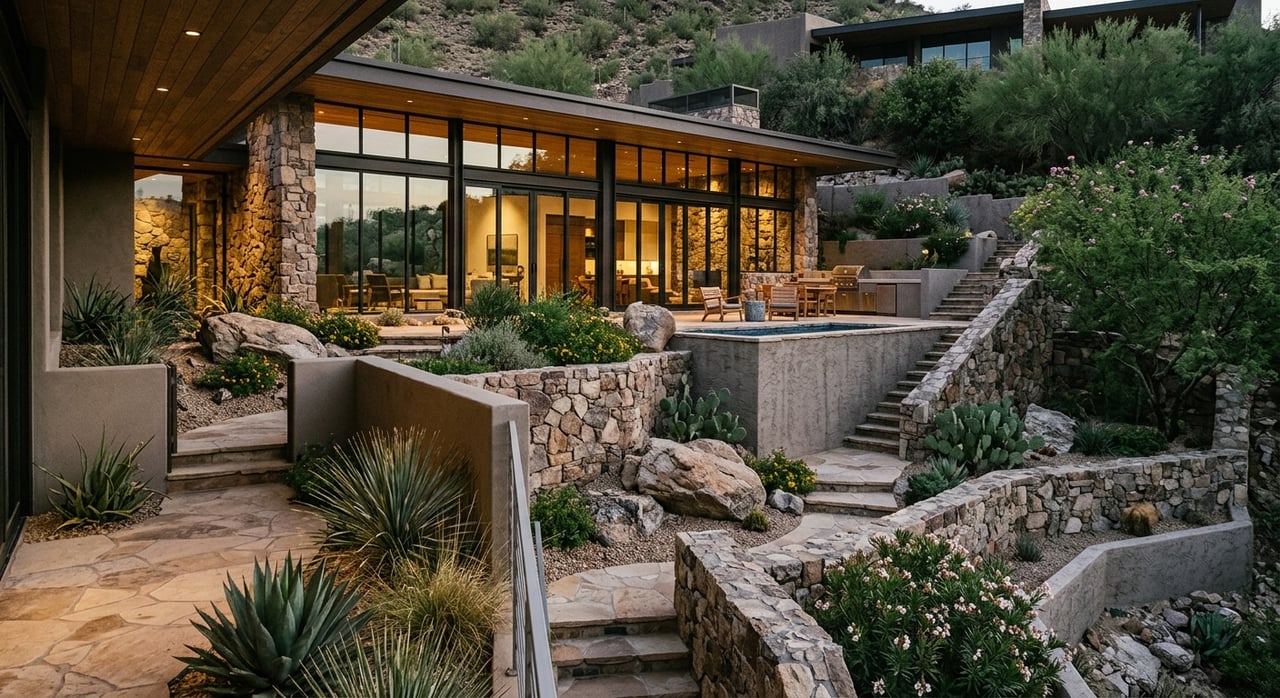
Choosing between Andreas Hills and Indian Canyons is not just about price or square footage. In south Palm Springs, two hillside neighborhoods can look similar at a glance, yet they offer very different experiences once you start paying attention to architecture, setting, and how you spend your time outdoors. If you are trying to decide which one fits your lifestyle, this guide will help you compare the character, homes, and market position of each. Let’s dive in.
Why these two neighborhoods get compared
Andreas Hills and Indian Canyons both sit in the south end of Palm Springs, where hillsides, mountain views, and neighborhood character carry real weight. According to the City of Palm Springs, both are recognized neighborhoods, and the city’s planning framework treats hillsides and view corridors as important priorities. That shared setting is a big reason buyers often compare them.
There is also a design story in both places. Palm Springs is widely known for Mid-Century Modern architecture, so buyers here often care about more than a house itself. You are also evaluating setting, architectural pedigree, and how a neighborhood feels block by block.
Andreas Hills at a glance
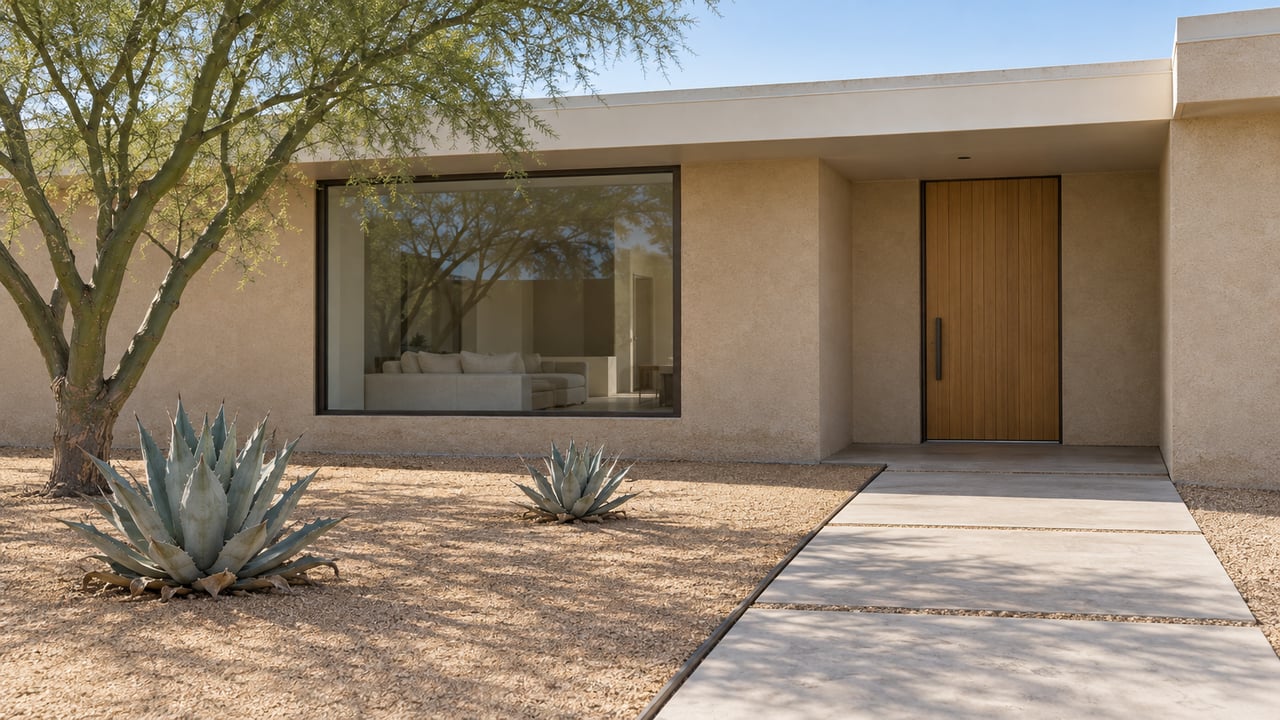
Andreas Hills reads like a more private hillside enclave. The neighborhood is known for custom stand-alone homes, broad mountain views, and a foothill setting that feels a bit more tucked away. In simple terms, it tends to offer a stronger estate-style experience.
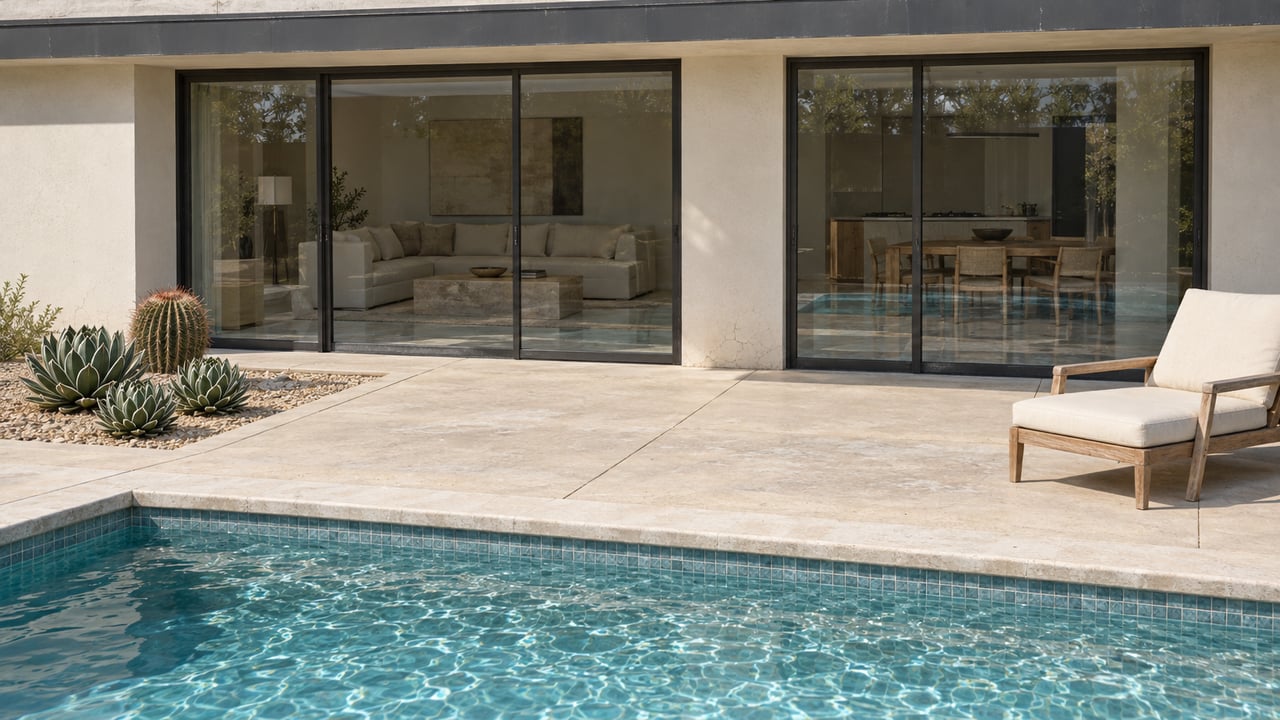
Homes.com describes Andreas Hills as a mix of mid-century modern, contemporary, and Mediterranean Revival architecture. It also notes that homes are usually custom built on parcels starting around 10,000 square feet, often with private pools and other recreational amenities. That combination gives the area a more spacious, individualized feel.
What stands out in Andreas Hills
- Larger custom-home character
- More privacy-driven layout
- Foothill orientation with wide mountain views
- Architectural variety rather than one dominant style
- Outdoor appeal tied more to setting than to a central golf identity
Indian Canyons at a glance
Indian Canyons has a more layered neighborhood identity. The City of Palm Springs says the area was formerly Canyon Country Club, originally built in the 1960s, and renamed in 2008. That history still shapes how the neighborhood feels today.
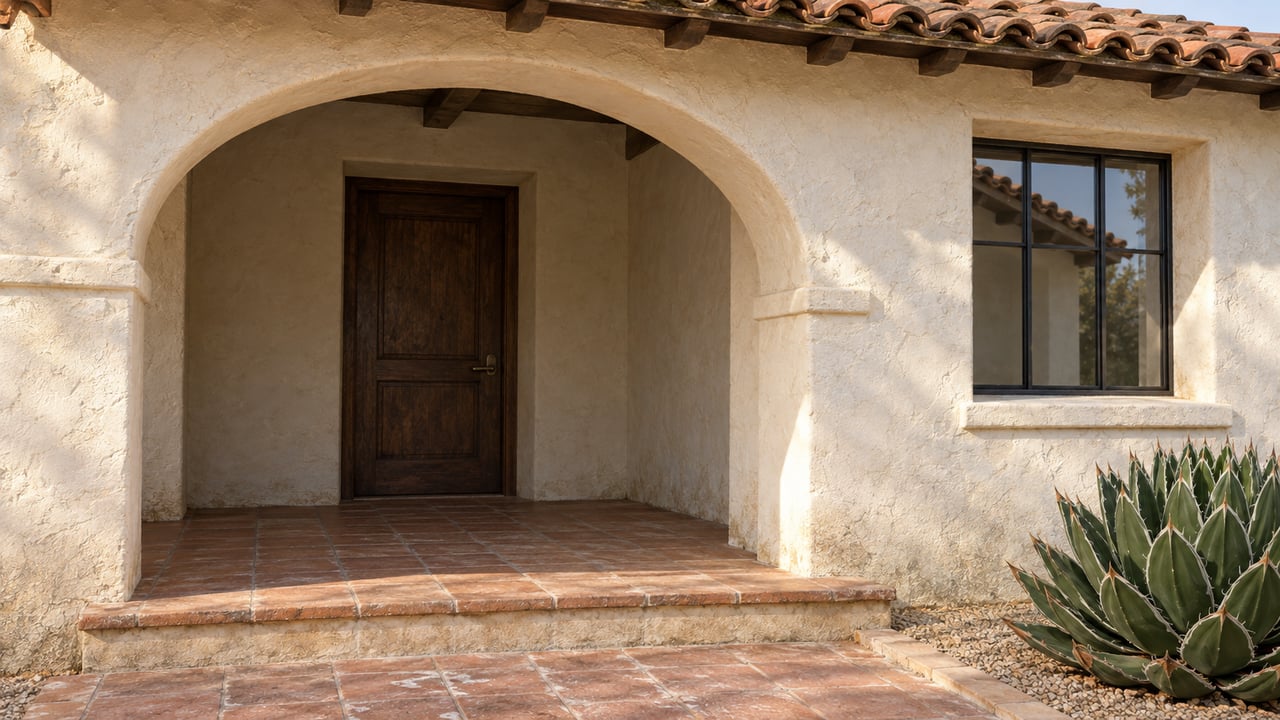
The city also describes homes that reflect modernistic roots, with authentic mid-century modern homes next to tile-roofed Southwestern ranches. Homes.com adds that the neighborhood includes tree-lined streets and a mix of mid-century modern, Spanish-style, and contemporary homes. The overall impression is more cohesive as a classic Palm Springs golf neighborhood.
What stands out in Indian Canyons
- Stronger golf-club heritage
- More visible mid-century lineage
- Tree-lined residential streets
- A neighborhood feel shaped by its 1960s roots
- Easier connection to both golf and preserve access
The biggest difference: estate hillside vs golf heritage
If you want the shortest possible version, Andreas Hills is more about seclusion, custom homes, and a big-view hillside setting. Indian Canyons is more about golf heritage, architectural continuity, and direct access to one of the area’s most famous outdoor destinations.
That does not mean one is better than the other. It means each neighborhood tells a different Palm Springs story. Andreas Hills feels more like a private retreat in the foothills, while Indian Canyons feels more like a lived-in architectural neighborhood with a strong recreational backbone.
Architecture and design feel
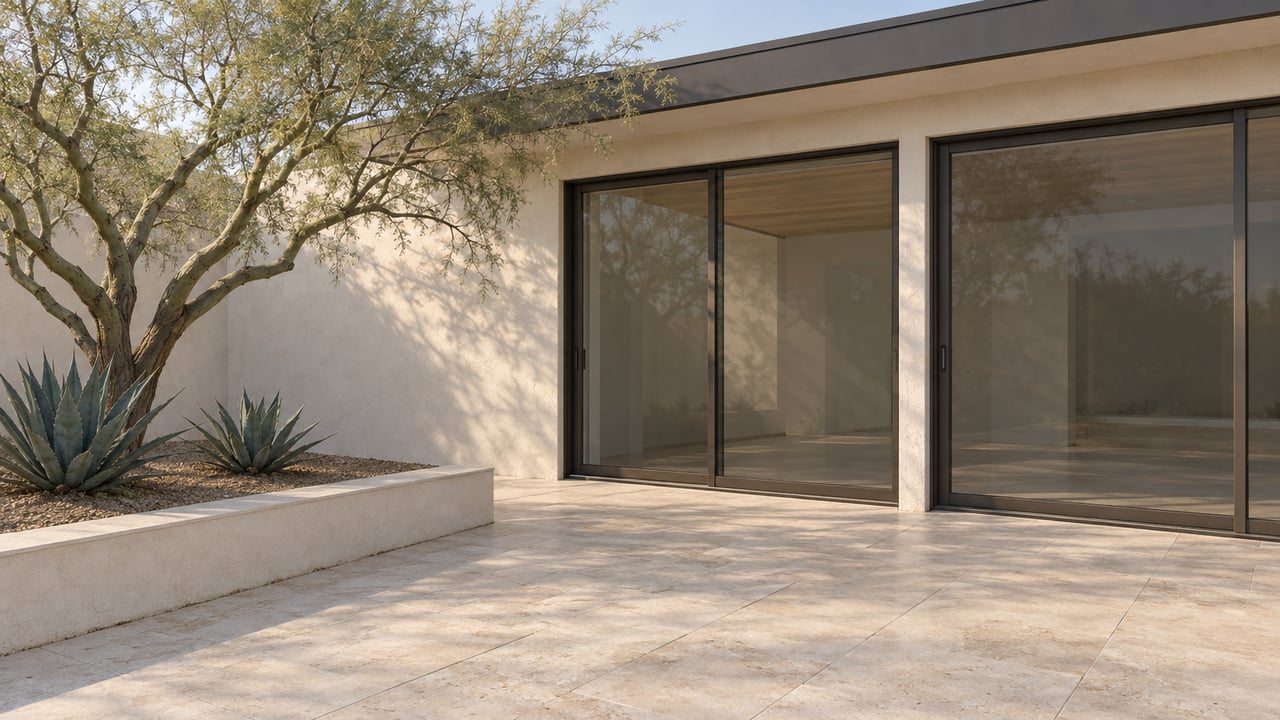
For design-minded buyers, this may be the most important category. Andreas Hills has variety, but it is the kind of variety you often see in a custom-home neighborhood. You may find mid-century modern, contemporary, and Mediterranean Revival homes, but the unifying thread is less about one strict look and more about scale, privacy, and individualized design.
Indian Canyons has a more recognizable neighborhood rhythm. Its homes reflect a mix of modernistic roots, mid-century preservation, and Southwestern influences. If you enjoy a streetscape where the neighborhood identity feels more consistent from one block to the next, Indian Canyons may feel more immediately legible.
Which area may suit your design priorities?
- Choose Andreas Hills if you value: custom architecture, larger parcels, visual privacy, and a more secluded hillside atmosphere.
- Choose Indian Canyons if you value: mid-century context, golf-neighborhood character, and a stronger sense of historic Palm Springs continuity.
Outdoor lifestyle and access
Both neighborhoods appeal to buyers who want to enjoy the desert landscape, but they do it in different ways. Indian Canyons is the more direct choice if hiking is high on your list. The official preserve site says Indian Canyons offers more than 60 miles of trails, and the Andreas Canyon loop is a 1.2-mile easy hike with ranger-led hikes leaving from the Andreas parking area.
Indian Canyons is also the more golf-centric option. The official Indian Canyons Golf Resort says it sits at the base of the San Jacinto Mountains and includes both the North Course and the South Course on Murray Canyon Drive. If you picture mornings on a golf course and easy access to preserve trails, this neighborhood has a strong case.
Andreas Hills still offers an outdoor-minded setting. Homes.com notes that it sits at the foothills of the Indian Canyons with trailheads leading into the mountains. The difference is that Andreas Hills tends to sell the feeling of the landscape, while Indian Canyons sells the convenience of being closer to the golf-and-hiking action itself.
Location feel and day-to-day experience
Palm Springs planning notes that much of the city is already built out, with newer development often pushed to more sensitive hillside, open-desert, or infill sites. That helps explain why both neighborhoods can feel limited in supply and especially sensitive to views and site orientation.
In daily life, Andreas Hills may feel a little more removed and retreat-like. Homes.com places it just over 5 miles from downtown Palm Springs and Palm Springs International Airport, which means you are still close to the city’s core while enjoying a quieter foothill environment.
Indian Canyons tends to feel more rooted in a traditional neighborhood pattern. Its identity is tied to the former Canyon Country Club area and the streets around Laverne Way, Murray Canyon Drive, Caliente Road, and Calle Palo Fierro. That history gives it a more established golf-neighborhood texture.
Market snapshot: Andreas Hills vs Indian Canyons
Recent neighborhood data points to a price gap between the two. Redfin’s March 2026 figures show a median sale price of $2.675 million in Andreas Hills and $2.075 million in Indian Canyons. That supports the idea that Andreas Hills often commands a premium for larger custom homes, privacy, and hillside positioning.
The same March 2026 data shows Andreas Hills as a not very competitive market, while Indian Canyons appears somewhat competitive. Median days on market were reported at 74 for Andreas Hills and 99 for Indian Canyons. Those numbers are useful, but they should be read as directional rather than absolute.
Why the numbers need context
Both neighborhoods are relatively small, so monthly results can move around quickly. Redfin reported only 11 homes sold in Andreas Hills and 4 in Indian Canyons in March 2026. In neighborhoods like these, a few sales can meaningfully shift the monthly median.
Which neighborhood may fit you best?
If you are drawn to larger homes, privacy, and a more estate-like setting, Andreas Hills will likely feel stronger. It is the better match for buyers who want the desert framed as a backdrop and value a custom-home experience over a club-neighborhood identity.
If you are looking for a classic Palm Springs setting with golf heritage, visible mid-century character, and easy preserve access, Indian Canyons may be the better fit. It tends to appeal to buyers who want lifestyle convenience and architectural context in equal measure.
For sellers, the distinction matters just as much. A home in Andreas Hills should usually be positioned around privacy, scale, and foothill views. A home in Indian Canyons often benefits from marketing that highlights neighborhood history, golf context, and architectural lineage.
Why neighborhood nuance matters in Palm Springs
In Palm Springs, two homes with similar price points can appeal to very different buyers depending on neighborhood context. Design pedigree, block feel, orientation, and how a property connects to outdoor amenities all shape value here. That is especially true in places like Andreas Hills and Indian Canyons, where setting does a lot of the talking.
If you are buying, that means the right choice is not only about comps. It is also about which version of Palm Springs you want to live in. If you are selling, understanding that distinction can help you present your home in a way that speaks to the right audience.
When you want a sharper read on Palm Springs neighborhood differences, architectural positioning, or how to market a design-forward home, Luz Solis can help you navigate the details with clarity and local insight.
FAQs
What is the main difference between Andreas Hills and Indian Canyons?
- Andreas Hills is generally more private and estate-like, with custom homes and foothill views, while Indian Canyons is more defined by golf heritage, mid-century character, and direct access to the preserve.
Which Palm Springs neighborhood is better for hiking access, Andreas Hills or Indian Canyons?
- Indian Canyons is the more direct hiking choice because the preserve offers more than 60 miles of trails, including the easy Andreas Canyon loop.
Which neighborhood has a stronger golf identity, Andreas Hills or Indian Canyons?
- Indian Canyons has the stronger golf identity because it is centered around the Indian Canyons Golf Resort and its North and South courses on Murray Canyon Drive.
Are Andreas Hills homes typically more expensive than Indian Canyons homes?
- Based on Redfin’s March 2026 neighborhood data, Andreas Hills had a higher median sale price at $2.675 million compared with $2.075 million in Indian Canyons.
Is Andreas Hills closer to downtown Palm Springs?
- Homes.com describes Andreas Hills as just over 5 miles from downtown Palm Springs and Palm Springs International Airport, making it convenient while still feeling more secluded.
Which neighborhood is better for mid-century architecture in south Palm Springs?
- Indian Canyons may feel stronger if you want a neighborhood with more visible mid-century roots, while Andreas Hills may appeal more if you prefer custom architecture and a broader mix of styles.